Porcine stress syndrome causes restlessness, poor appetite, and increased susceptibility to disease: how to prevent and treat it
1. Select and breed excellent varieties.Through clinical observation, blood typing, halothane testing, and CPK (creatine phosphokinase) value determination, detect and cull stress-sensitive pig breeds, reduce the frequency of stress genes, and thereby breed stress-resistant pig varieties. Since different pigs have different sensitivity to stress, when purchasing and introducing piglets, stress-resistant pig varieties should be selected.
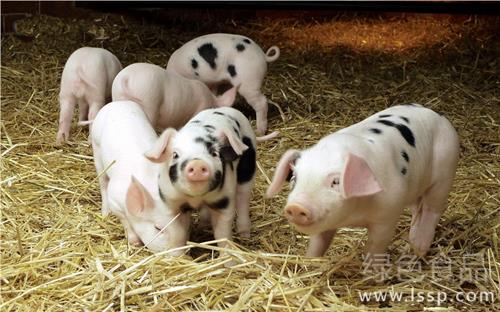
Pigs
2. Strengthen feeding management.The location of the pigs and the construction of the pig house must both be reasonable, avoiding interference from too many external factors, and avoiding overcrowding and mixing of pig groups. After pigs are mixed into groups, fighting is likely to occur, causing the pigs' body weight to decrease. During transport, avoid overcrowding of the pig group, and minimize catching, restraint, driving, and disturbance. Even when catching, excessive stimulation should be avoided. The temperature of the pig house should not change abruptly, to prevent the pigs from being stimulated by excessive cold or heat and developing stress. For unavoidable stressors, try to disperse them, delay their effect, and do not expand their intensity.
3. Ensure a full-price balanced feed.According to the pig's growth stage, scientifically formulate the daily ration. The feed nutrient level should meet the pig's needs, and feeding should be timed and quantified. Ensure the feed is full-price; in addition to sufficient protein and energy, vitamins and trace elements must also be sufficient. Do not feed moldy or spoiled feed; drinking water must be clean and disinfected; feed troughs and water troughs should be sufficient; pay attention to hygiene to avoid scrambling for food, fighting, and uneven feed intake among pigs. Vitamins and trace elements can be added to the feed to reduce the harm caused by stress.
4. Prevent stress during transport and slaughter.Before transport, fasting is best; 100 g of anti-stress hormone can be added to 300 kg of drinking water. This can prevent stress in pigs caused by unfavorable factors such as overcrowding, sun exposure, wind, and rain during transport. The waiting time for slaughter should be appropriate.
5. Treatment measures.Sedation and supplementation of corticosteroids. First move the pig to a non-stress environment and spray its skin with cold water. Pigs with mild stress symptoms can recover on their own, but pigs with purple skin and muscle stiffness must be given sedatives, corticosteroids, and anti-stress drugs. For example, use chlorpromazine hydrochloride as a sedative at a dose of 1-2 mg/(kg body weight), once by intramuscular injection, or diazepam 1-7 mg/(kg body weight), once by intramuscular injection. Vitamin C, sodium selenite vitamin E mixture, diphenhydramine hydrochloride, sodium salicylate, etc. can also be used. Use antibiotics to prevent secondary infection, and intravenous injection of 5% sodium bicarbonate solution can be used to prevent acidosis in pigs.