Bradyzoite disease in sheep has a sudden onset and a short course; how do you prevent and treat abomasal hemorrhage?
Bradyzootic disease in sheep is an acute infectious disease of sheep, characterized by sudden onset, a short course, and hemorrhagic and inflammatory damage to the abomasum.
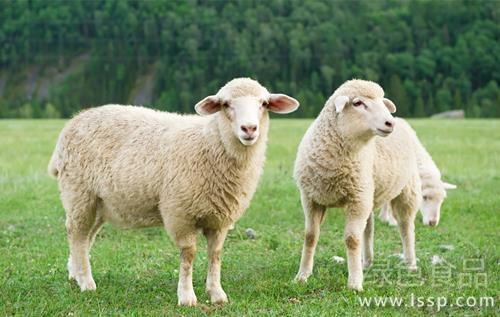
Sheep
Pathogen: The pathogen of bradyzoite disease in sheep is Clostridium septicum, a Gram-positive anaerobic large bacillus that can produce multiple toxins. It can form spores both inside and outside the animal body and does not form a capsule. Strong disinfectants such as 20% bleaching powder and 3-5% sodium hydroxide are needed to kill it.
Epidemiological characteristics: Affected sheep are mostly well-nourished sheep aged 6-18 months, while goats are less commonly affected. It occurs mostly in spring and autumn. After sheep eat contaminated feed or drink contaminated water, the disease can be induced when external adverse triggers occur, such as sudden climate changes, continuous rainy weather, and internal parasites. It mainly occurs sporadically, with low incidence and high mortality.
Symptoms: a. Peracute type. The incubation period is still unclear. Affected sheep suddenly stop eating and ruminating, grind their teeth, have abdominal pain, groan, stand with limbs spread apart, sway in the hindquarters, have difficulty breathing, and discharge foamy fluid from the mouth and nose. They collapse in convulsions, with limbs moving as if swimming, and die within 2-6 hours. b. Acute type. At the beginning of the disease, the sheep is listless, has reduced appetite, walks unsteadily, has difficulty defecating, lies down and cannot stand, has abdominal distension, rapid breathing, congested ocular conjunctiva, groans, and drools. The sheep manure contains inflammatory material or mucosa and is dark green. Body temperature rises above 40°C, breathing becomes difficult, and death occurs soon after.
Prevention: The course of this disease is short, leaving no time for treatment. Therefore, routine preventive measures must be strengthened. When this disease occurs, isolate the affected sheep and try symptomatic treatment for those with a longer course. In severe outbreaks, moving the grazing area can reduce or temporarily stop the incidence. Therefore, unaffected sheep should be moved to high, dry areas, and feeding management should be strengthened to prevent colds. To avoid sheep eating frozen feed, do not send them out to graze too early in the morning. Emergency vaccination should be carried out. In areas where this disease often occurs, sheep should be regularly injected each year with the "sheep bradyzoite disease, sudden death disease, and enterotoxemia triple vaccine," or the "sheep bradyzoite disease, sudden death disease, enterotoxemia, lamb dysentery, and black disease five-combined vaccine."
Treatment: Affected sheep often die because treatment is not timely. Sheep with a longer course can be treated. a. Penicillin, intramuscular injection, 800,000-1,600,000 units each time, twice a day; b. Sulfadiazine, administered orally, 5-6 grams per kilogram of body weight each time, used 3-4 times consecutively; c. 10-20% lime milk, administered orally, 5-100 milliliters each time, used 1-2 times consecutively; d. Compound sulfadiazine sodium injection, intramuscular injection, 0.015-0.02 grams per kilogram of body weight each time (calculated as sulfadiazine), twice a day; e. Sulfaguanidine, 8-12 grams per kilogram of body weight, administered orally once on the first day, and divided into 2 oral doses on the second day.