Causes and Prevention of Constipation with Poor Appetite, Weak Piglets, No Milk and Lethargy in Sows
In recent years, constipation in sows has become widespread. In mild cases, it causes poor appetite, inadequate nutrition, no milk after farrowing, and weak piglets; in severe cases, it leads to digestive and absorptive dysfunction and abnormal behaviour, and in the most serious cases, the death of the sow.
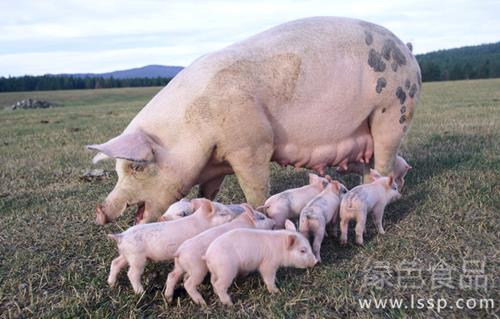
Sow
I. Causes of constipation in sows:
1. Lack of exercise during pregnancy. This is mostly seen in crated sows. Once the sow is mated, her movement is restricted and feed intake is low, which weakens her digestive and absorptive function, dries out the intestinal contents, and triggers constipation.
2. In late pregnancy, as the fetuses grow larger, pressure on the rectal wall increases and rectal peristalsis decreases, so faeces remain in the intestine for a long time and water is over-absorbed, causing constipation in sows. This is mostly seen in sows with very large litters or very large piglets.
3. Insufficient drinking water, mostly seen in summer. In some pig farms, ageing water pipes mean the water pressure in the gestation house is not sufficient, falling far short of the flow rate sows need, which makes the faeces too dry and causes constipation. On the other hand, violent exposure of the water pipes to the sun makes the water temperature inside the pipes too high, and sows develop constipation after drinking it.
4. Physiological and psychological stress before farrowing strengthens gastrointestinal peristalsis in the sow, so water in the intestine is absorbed into the blood and constipation results. This is mostly seen in first-litter sows.
5. A sudden change of diet, especially when changing from a low-protein diet in early pregnancy to a high-protein diet in late pregnancy, relatively alters the ability of the large intestine to absorb and secrete fluid, making the large intestine become full and firm, and causing constipation.
6. Excessive feed restriction, because the lack of green fodder causes too much water in the intestine to be absorbed, resulting in constipation.
7. Pig raisers feed drugs to the herd irregularly to prevent disease, and drugs are added too frequently; on average there are 10 days of drug-based disease prevention almost every month. The result is that the sow's faeces become too hard and constipation occurs.
8. Drug-induced constipation. Some feed manufacturers, when making sow feed, add antibacterial growth promoters such as chlortetracycline and zinc bacitracin in order to increase litter size and for other purposes, without considering the sow's own needs. Under the action of these antibacterial drugs in the sow's gastrointestinal tract, water is over-absorbed and constipation appears.
9. Some sows suffering from febrile diseases such as swine fever (mostly seen in the mild form), toxoplasmosis, and porcine reproductive and respiratory syndrome (blue ear disease) will also develop constipation.
II. Prevention and treatment of constipation in sows:
1. Provide sufficient, high-quality drinking water. At all times and under all circumstances, sows must be given sufficient, clean drinking water. Ensure the water is of good quality, cool in temperature and adequate in quantity.
2. Nutritional formulation. In summer, heat stress in the herd is severe and sow feed intake drops. The formula can be slightly modified with an appropriate crude fibre content, and intestinal-lubricating, laxative substances such as oils and molasses can be added. This avoids the trouble of handling individual constipated sows, and the results should be good.
3. Reduce drugs and add probiotic preparations and physiological regulators. It is recommended to use medicated feed for sows for 7 days before and after farrowing, and not to add drugs at other times. At the same time, using probiotic preparations in the feed can improve the micro-ecological environment in the sow's intestine and relieve constipation caused by dysbiosis of the intestinal flora due to drugs or other reasons.
4. Appropriate exercise. Ensure sows have enough space to move around, restore the sow's living environment, which is conducive to ventilation and reduces the incidence of respiratory diseases. Observe the sows more often, respond promptly and take proper countermeasures.