Key Points for Reasonable Feeding and Group Management of Dairy Heifers During the Growing Period
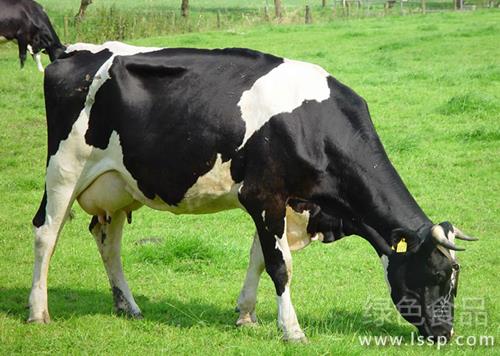
Dairy Cattle
I. Feeding Methods
1. From 1 week to 1 year of age: During this period, the reproductive organs and secondary sexual characteristics of dairy cattle develop rapidly, the body grows quickly, and the volume of the digestive organs roughly doubles. For growing dairy heifers at this stage, adequate nutrients should be provided in the diet. In addition to high-quality pasture, hay, and succulent feed, a suitable amount of concentrate should also be supplemented. Starting from 9 to 10 months of age, straw and grain bran can be mixed in, accounting for about 30 to 40% of the total roughage by weight.
2. From 12 to 18 months of age: At this stage, the digestive organs of the dairy cattle have a larger volume. To promote further development of the digestive organs, the daily ration should be mainly roughage and succulent feed, accounting for about 75% of the daily ration by weight, with the remaining 25% being mixed concentrate to supplement energy and protein.
3. From 18 to 24 months of age: During this period, the dairy cattle are at the stage of mating and conception, and growth and development slow down. At this stage, the nutritional level of growing heifers should be appropriate. Excessive nutrition can easily lead to overfattening of the dairy cattle, causing difficulty in conception; even if conception occurs, it will affect normal fetal growth and calving. Insufficient nutrition can cause ovulation disorders in the dairy cattle, making conception difficult. At this stage, the dairy cattle should be fed high-quality hay, green fodder, silage, and root tuber feeds, with concentrate as a supplement. In late pregnancy, the amount of concentrate fed should be appropriately increased, with 2 to 3 kg fed per day, to ensure normal growth and development of the fetus. In areas with grazing conditions, growing dairy cattle should be mainly grazed, and the amount of feed should be increased or decreased as appropriate according to the condition of the pasture.
II. Management Measures
1. Group management: When calves are over 6 months old and transferred to the growing heifer barn, males and females should be raised in separate groups. Dairy cattle of similar age and weight should be grouped together as much as possible. Generally, they are grouped by weaning to 12 months of age, 12 to 18 months of age, and 18 to 24 months of age, to facilitate feeding and management.
2. Strengthen exercise: In areas without grazing conditions, for tethered growing heifers, drive them in the exercise yard for more than 2 hours every day to strengthen their physique, exercise their limbs, and promote the development of the udder, cardiovascular system, digestive organs, and respiratory organs.
3. Pay attention to hygiene: For growing dairy cattle, brush them at least 1 to 2 times a day, for 5 to 8 minutes each time. During housing, pay attention to keeping the environment clean. On sunny days, let the dairy cattle receive more sunlight to promote calcium absorption and bone growth. Prolonged exposure to the scorching sun is strictly prohibited.
4. Massage the udder: To promote the development of mammary gland tissue in growing dairy cattle, especially in late pregnancy, the udder should be massaged at the appropriate time on the basis of providing a good complete feed, with obvious results. For growing heifers from 6 to 18 months of age, massage once a day, and after 18 months of age, massage twice a day. Massage should be carried out at the same time as body brushing. During each massage, wipe the udder of the dairy cattle with a hot towel. Stop massage 1 to 2 months before calving. However, during this period, never wipe the teats, so as to avoid wiping off the special protective substance around the teats, which may cause teat cracking or allow pathogenic bacteria to invade through the teat orifice and cause mastitis in the dairy cattle.