In early autumn, fish pond water is fertile and consumes a lot of oxygen; how can it be managed more scientifically?
Entering autumn, fish grow quickly, the fish carrying capacity of the pond increases, and the amount of feed put in and the waste excreted by the fish also increase accordingly, causing the autumn fish pond water to become relatively fertile and the water body's oxygen consumption to rise. Fish are prone to floating head and other diseases, so strengthening autumn fish pond management is especially important for fish farmers.
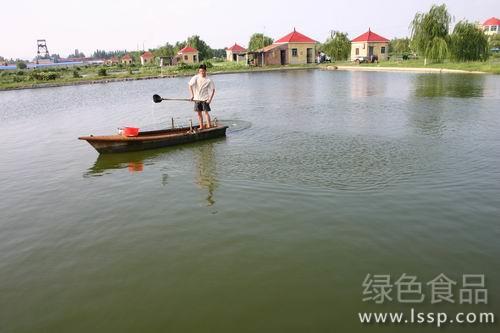
Fish pond
1. Do a good job of feed feeding. In autumn, the air temperature and water temperature are suitable; this is one of the stages when fish grow fastest, and even more a key period for fish yield formation, so the amount of feed should be increased and high-quality feed should be given. Fish farmers should master the “four fixed, four look” feeding method to ensure rapid fish growth. As long as the weather is normal and fish activity is normal, feeding should be carried out promptly to ensure that all kinds of fish in the pond eat their fill and eat well, so as to quickly gain fat and weight. For herbivorous fish, combine fine and coarse feed, and appropriately increase the amount of compound feed.
2. Do a good job of water quality regulation. According to weather changes, adjust the feeding amount in time; feed less or not at all on cloudy and rainy days, so as to avoid excess leftover feed, which not only increases costs but also spoils the water quality. Frequently turn on the aerator, following the rule of “three turn on, two do not turn on”: turn it on at noon on sunny days, and do not turn it on in the evening; turn it on in the early morning on cloudy days, and do not turn it on during the day; during continuous rainy weather, turn it on continuously. At the same time, pay attention to changes in the pond water quality, and regularly use quicklime to adjust the pH of the water body, keeping the PH value at 7.5-8.5. Keep a certain water level in the fish pond and regularly add water. If the water source quality is poor or adding water is inconvenient, choose fine weather and use a compound microbial preparation about once every 15 days to regulate water quality and reduce the harm to fish from toxic substances such as ammonia nitrogen, hydrogen sulfide, and nitrite. In short, keep the water body “fertile, lively, tender, and refreshing.”
3. Do a good job of disease prevention. In autumn, pathogens are prone to breed and diseases are prone to occur, especially around White Dew, the peak period for fish disease outbreaks, when bacterial diseases such as rotten gills, enteritis, red skin, and stamping disease, as well as viral diseases such as hemorrhagic disease, are likely to occur. In fish disease prevention and control, adhere to prevention first, with prevention more important than treatment, and combine external use with oral administration. Regularly splash drugs such as strong chlorine essence, dibromohydantoin, chlorine dioxide, povidone iodine, and crystal trichlorfon, once every 15 days. Feed medicated bait such as allicin, vitamin C, and triple sulfonamide once a day for 6 consecutive times, one course per month, to prevent disease occurrence.
4. Do a good job of fish pond patrols. Patrol once each in the morning, at noon, and in the evening, pay attention to observing the pond water color and fish activity, check whether the pond embankment and dam are damaged or leaking, and keep relevant records. Residual forage and dead fish and other debris in the fish pond should be removed in time. At the same time, according to market conditions, harvest adult fish for market at the appropriate time and in appropriate amounts, so as to reduce the fish carrying capacity of the pond and ensure the safety of the pond fish.