High incidence of chicken diseases in autumn and winter: how to carry out comprehensive prevention and control in poorly ventilated environments?
In autumn and winter, heat preservation measures in chicken houses provide good conditions for the survival, reproduction and spread of viruses and bacteria. At the same time, the conflict among ventilation, temperature and humidity in chicken houses keeps chickens in an environment of oxygen deficiency, low temperature, high humidity, high ammonia and high carbon dioxide for a long time in autumn and winter, leading to reduced resistance and susceptibility to diseases. Experience has shown that doing the following work well can effectively prevent and control the occurrence of chicken epidemic diseases.
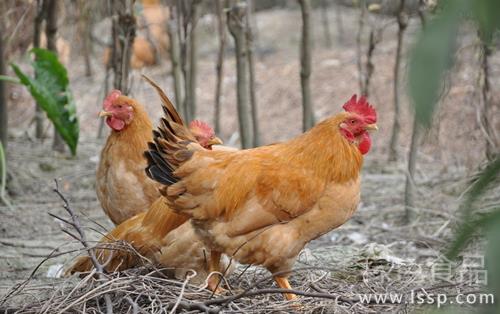
Chicken
1. Eliminate non-infectious disease-inducing factors and do a good job in heat preservation. Before winter arrives, repair the chicken house and prepare heating facilities. During rainy, snowy and cold wave days, pay attention to heat preservation.
2. Pay attention to ventilation and air exchange. Mix 2 kg of sulfur into the litter of every 10 sq m of chicken house, with pH below 7, to reduce ammonia production.
3. Feed reasonably. When preparing the ration, increase the energy content (it may be 5%-10% above the standard) to improve the chickens' cold resistance.
4. Sanitation and disinfection. Spray-disinfect the chickens' bodies with 0.5% Qiangli Xiaoduling, 2 times a week. For drinking water disinfection, Jundujing and Baidusha leave no residues in eggs and meat and can be used for drinking water disinfection. When carrying out drinking water disinfection, the drug concentration must be accurate. For utensil disinfection, daily wash clean the feed trays, feed buckets, water buckets, drinkers and other utensils used by chickens with 0.01% Junduqing, Baidusha or 0.05% Qiangli Xiaoduling liquid, then dry them for later use. For environmental disinfection, disinfect the chicken house with quicklime or caustic soda liquid, once a week.
5. Vaccination. For 3-5 days before and after vaccination, stop giving antibiotics and sulfonamide drugs. Appropriately add anti-stress agents such as oral rehydration salts, vitamin C and vitamin E to the chickens' diet.
6. Drug prevention and treatment. Respiratory diseases in chickens are highly prevalent in winter, so feed some Qiangli cod liver oil powder. For bacterial infections, enrofloxacin and ciprofloxacin can be given in drinking water. For fungal diseases such as aspergillosis, nystatin, copper sulfate and the like can be given in drinking water for treatment. For viral respiratory diseases such as infectious bronchitis and infectious laryngotracheitis, although antibiotics and various synthetic drugs are ineffective, sometimes to prevent secondary bacterial infection, antibiotics may be appropriately used together with virus inhibitors and disease-resistant Chinese herbal medicines such as isatis root and honeysuckle, and vaccination can also be used for treatment.