Autumn temperatures fluctuate, goose diseases occur frequently and cause great losses; what prevention and control measures are there?
In autumn, temperatures alternate between hot and cold, and the temperature difference between day and night is large, so geese are prone to illness, and some goose diseases have no specific cure, so losses are severe. Autumn goose disease control should focus on prevention. Below, the editor shares with goose farmers the prevention and control measures for three common autumn goose diseases, for reference only.
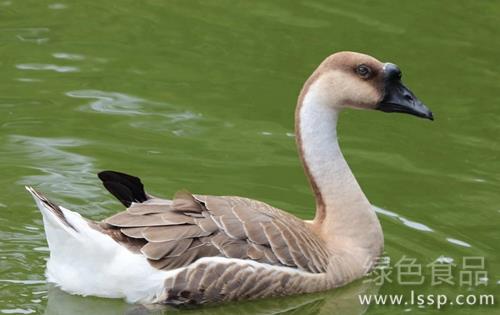
Goose
1. Gosling plague is a common acute septicemic infectious disease of goslings. Symptoms are severe diarrhea, passing yellow-white or yellow-green watery thin droppings, serous nasal discharge, and frequent head shaking. Some geese die suddenly without any symptoms.
Prevention and control: 1 month before incubation, laying female geese are given an intramuscular injection of gosling plague vaccine for breeding geese, and the hatched goslings then carry immunity themselves. If the female geese have not been vaccinated, goslings within 1 day of age need a subcutaneous injection of gosling plague vaccine or gosling plague serum; when the disease occurs, subcutaneous injection of gosling plague serum can cure it.
2. Goose paramyxovirus disease is a virulent infectious disease caused by goose paramyxovirus. It is prevalent in all four seasons, and geese of all ages and breeds are susceptible. The incubation period is 3 to 5 days, with diarrhea, white, yellow, green and red thin droppings, listlessness, eye discharge, weak walking, drifting with the water, and in the later stage some geese show neurological symptoms such as head twisting and circling. Goslings at 10 days of age show symptoms such as head shaking and coughing. After onset, they improve in 6 to 7 days and recover in 9 to 10 days. This disease has no specific treatment and can only be prevented with vaccines.
3. Goose colibacillosis shows different symptoms depending on the age of onset, the site affected, and mixed infection with other diseases. Goose colibacillosis is mainly related to poor feeding and management of geese, and feed and drinking water contaminated by the feces of diseased geese are the main media for the spread of this disease.
Prevention and control: strengthen management, enhance the disease resistance of geese, pay attention to ventilation and dryness in the goose house, disinfect regularly, protect against cold and keep warm in winter, and in normal times oxytetracycline, gentamicin and ciprofloxacin can be used in drinking water, with each drug used in rotation.