High mortality rate from sheep parasitic diseases in autumn, carry out deworming and prevention measures well
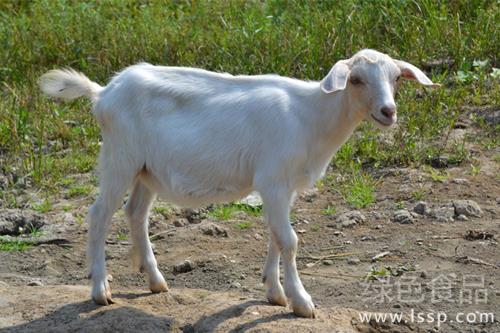
Sheep
I. Fascioliasis (liver fluke disease):
Occurs in summer and autumn, with high incidence from June to September. Sheep become infected by eating aquatic plants to which metacercariae are attached. Sheep of all ages, sexes and breeds can be infected, and lambs and sheep have a high mortality rate after contracting the disease. Fasciola hepatica, also known as the liver fluke, parasitizes the liver and bile ducts of sheep, with an infection rate of about 30%. Sheep suffering from fascioliasis are emaciated, anemic, with submandibular edema, later diarrhea, and finally die from liver poisoning.
Preventive measures: First, do not graze in swamps or low-lying damp areas; choose high, dry areas. Second, in late September, deworm with 3-5 mg of niclofolan per kg of body weight, orally on an empty stomach in the morning, once a day for 3 consecutive days. In addition, drugs such as trichlorfon, albendazole and bithionol can also be used, and may be chosen for administration.
II. Tapeworm disease (cestodiasis):
It occurs easily in summer and autumn. Sheep of all ages can be infected, and it is highly harmful to lambs. If not treated in time, the growth and development of sheep are hindered and they may even die. The most common is Moniezia. It parasitizes the small intestine and, in severe cases, the worm bodies block the intestinal tract. Infected sheep are emaciated, with coarse, dull fur, reduced appetite, diarrhea, anemia and edema, and a few also have neurological symptoms.
Preventive measures: For sheep shorn in autumn, use dichlorophen sulfate at 100 mg per kg of body weight, administered orally on an empty stomach, with very good results. A 1% copper sulfate solution can also be administered orally at 2-3 ml per kg of body weight.
III. Sheep coenurosis (gid)
This disease is also called “mad sheep” and “circling disease”, with obvious neurological symptoms mainly involving circling, making it relatively easy to diagnose.
Preventive measures: First, from early September to mid-October, promptly deworm sheep twice in succession; praziquantel powder can be administered orally for prevention, at a dose of 50 mg per kg of body weight each time. Second, deworm dogs at the same time to eliminate the source of infection. Third, strictly quarantine susceptible sheep; once diseased sheep are found, they must all be destroyed.