After half a year of laying, laying ducks become weak in constitution and need conditioning when autumn temperatures drop
In autumn, temperatures gradually drop, the difference between day and night temperatures is large, and daylight hours become shorter. Autumn ducks hatched the previous year have already become physically exhausted after half a year of laying, and the slightest carelessness in management will cause them to stop laying and molt. Laying ducks hatched in early spring also begin laying from late September to mid-October. Especially for free-range laying ducks, because there is little food in the wild in late autumn, nutritional deficiencies often occur, and egg production decreases. Therefore, in autumn, nutritional regulation for laying ducks should be strengthened, the environment should be kept stable, and molting should be delayed as much as possible to raise the level of production.
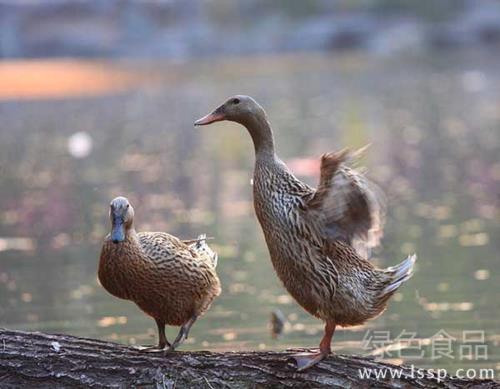
Laying ducks
1. Increase the protein level of the feed.In autumn, animals all have the characteristic of storing energy to ensure safe overwintering, and laying ducks are no exception. At this time, the energy level of the daily ration should be appropriately reduced or appropriate exercise should be maintained, and the body weight of laying ducks should be controlled at 1.5-2 kg. At the same time, the protein level of the daily ration should be appropriately increased. For confined laying ducks, the crude protein content should be raised to 18%. For free-range laying ducks, an appropriate amount of protein feed should be supplemented so that the protein they intake can meet the needs of egg laying. In addition, inorganic salt feed should be appropriately supplemented. Place a mineral feed basin in the duck house (1 part bone meal plus 3 parts shell meal) and let them eat freely.
2. Do a good job of cold protection.In autumn, temperatures drop quickly, and sudden cooling often leads to a decline in the laying rate of the duck flock. In production, temperature changes in the duck house should be reduced as much as possible, and the temperature of the duck house should be kept at 13°C-20°C. Autumn is rainy, the exercise yard is prone to water accumulation, and the bedding straw in the duck house is prone to becoming damp and moldy. Humidity in the house should be reduced to prevent the bedding straw from becoming muddy. In autumn, the light period is shortened, which is unfavorable for the reproduction of laying ducks. Artificial light should be added, and light intensity should be kept stable. Generally, install one 40-watt light bulb for every 20 sq m of duck house, cover the bulb with a lampshade, keep equal distances between lights, hang them at a height of 2 m, and keep the lamps clean. Turn on the lights at dawn, turn them off at sunrise, turn them on after sunset, and turn them off after supplementing to 16 hours.
3. Disease prevention.Autumn is a period of high incidence of diseases such as duck plague, duck cholera, and egg drop syndrome. Disease prevention and control should be strengthened, the duck house should be kept clean and sanitary, feces should be removed in a timely manner, water troughs and feed troughs should be washed frequently, the duck house and equipment should be disinfected regularly, and vaccinations should be given strictly according to the immunization program to prevent the occurrence of disease and ensure the health of laying ducks.