The incidence of piglet edema disease is not high, but the mortality rate is high. How should it be prevented and treated?
I. Harm of piglet edema disease: 1. Piglet edema disease is an infectious disease caused by hemolytic Escherichia coli, characterized by edema and high lethality. It occurs more often in robust and well-growing piglets, causing serious losses to the pig industry. 2. This disease occurs in all four seasons, but the incidence rises in spring and autumn. 3. The incidence of piglet edema disease is not high, but the mortality rate is high. Some piglets even die suddenly without any symptoms, making it one of the most serious diseases harming healthy weaned piglets.
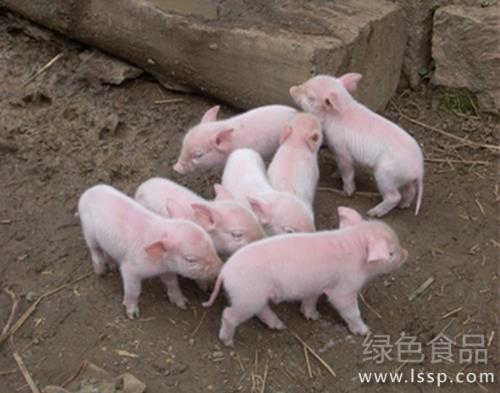
Piglets
II. Causes of piglet edema disease: 1. Weaning stress, environmental and climate changes, long-distance transport, poor disinfection and other factors can all cause piglet edema disease. 2. The pathogenesis of edema disease is complex. It can generally be considered that pathogenic Escherichia coli invades the intestinal tract, multiplies in large numbers, and produces toxins. After the toxins are absorbed from the intestines into the blood, they cause enterotoxemia and trigger edema disease.
III. Preventive measures for piglet edema disease:
1. Vaccinate piglets over 25 days of age with inactivated piglet edema disease vaccine;
2. Supplementary feeding must be started early. Start supplementary feeding when piglets are 7—10 days old. Early supplementary feeding helps improve the digestive organs of piglets, promotes gastrointestinal development, and establishes a normal gastrointestinal microbiota early.
3. Castration and vaccination. Perform castration about 10 days before weaning, as this causes less stress and the incision heals faster. Do not carry out vaccination within 10 days before weaning and within 20 days after weaning. It is forbidden to perform weaning, castration and vaccination at the same time.
4. Wean at the proper time. First, do not blindly pursue early weaning. Under ordinary conditions, the suitable weaning time is 6—7 weeks of age. In addition, it must be flexibly determined according to the individual condition of the piglets, their feed intake, the weather and other factors.
5. Weaning method. It is best to use the “move the sow, not the piglets, one-time weaning method”, driving the sow away and keeping the piglets in the original pen. This can reduce the stress caused to piglets by weaning.
6. Reasonable feeding. After piglets are weaned, feed quality must be ensured. For the first 10 days, still feed the same feed used before weaning, feeding small amounts frequently and restricting the amount. After 15 days, normal feeding can be resumed, which can increase the piglets' adaptability to feed changes. In addition, within 20 days after weaning, do not feed green, succulent feeds such as vegetable leaves, to prevent piglets from developing diarrhea and to avoid reducing disease resistance.