How to raise laying ducks in the mid-laying period when insufficient nutrition causes a drop in laying rate
The flock's laying rate starts to rise from 60%, maintains for a period, then falls again to 80%; this is the entire mid-laying period. The key point in this period is to satisfy the nutrients needed for laying duck production as much as possible and provide a stable, comfortable environment, ensuring the ducks maintain a high production level.
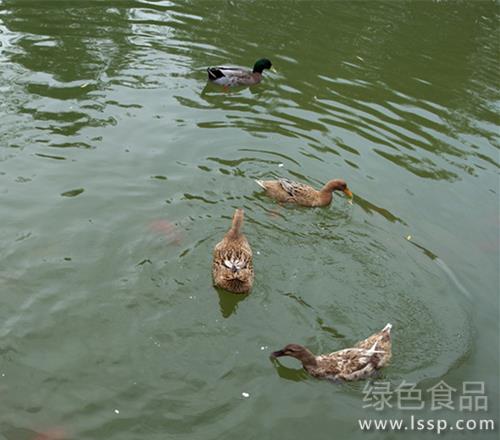
Laying ducks
After more than 100 days of continuous laying, laying ducks enter the peak laying period. In this stage the ducks consume considerable energy, and their health is not as good as in the early laying period; if nutrition is insufficient, the laying rate drops and may even cause molting. The key point of feeding management in this period is to maintain high production, striving to keep the peak laying period going to more than 400 days, so the following technical points must be mastered:
(1) In terms of feed nutrition, meet high-production needs: raise the crude protein content from 18% to 19-20%, and feed each laying duck about 150 grams of concentrate per day; feed more green fodder as appropriate, with each laying duck given 150 grams of aquatic grass per day (or add vitamins); appropriately increase calcium supply by adding 1-2% granular shell powder to the mixed feed, or place a basin of crushed shells in the duck house for free feeding.
(2) Daily light duration should be 16-17 hours, and must not be shortened or lengthened.
(3) Keep room temperature within the range of 5°C-30°C; when below 5°C, protect against cold and keep warm; when above 30°C, strengthen ventilation to prevent heatstroke and cool down.
(4) Strengthen daily disease prevention, but vaccination and deworming are not suitable in this period. Pay attention to hygiene and disinfection; daily operating procedures must conform to the living habits and patterns of laying ducks, operating procedures must be stable, stress factors must be prevented, and a quiet and good environment must be ensured.
(5) Pay attention to strengthening observation and solve problems promptly when found. Whether feeding management in this period is proper mainly depends on whether the laying rate of the ducks remains stable at the peak-period standard. Observe whether egg weight and eggshell quality have changed, whether laying time is concentrated, whether the ducks are in good spirits, and whether the feathers get wet after bathing, etc., and solve problems promptly when found. Periodically determine the dietary nutrition level and supply amount based on changes in the average body weight of the laying duck flock and changes in the laying rate.