The main cause of pasted vent in chicks is improper management. How can it be prevented and treated?
The main cause of pasted vent in chicks is improper feeding and management. Under normal circumstances, newly hatched chicks should start drinking water as early as possible within 12 to 24 hours after hatching. Adding 5% glucose or electrolytic multivitamins to the drinking water can resist stress, strengthen the chicks, and regulate the gastrointestinal tract, laying a foundation for healthy growth of the chicks. Some breeders are eager to let the chicks start eating and give feed at the same time as water, but the result is counterproductive: it disrupts the digestive function of the chicks and increases the occurrence of diseases such as pasted vent and indigestion. In addition, feeding methods, technical procedures, and some stress stimuli can also cause pasted vent in chicks.
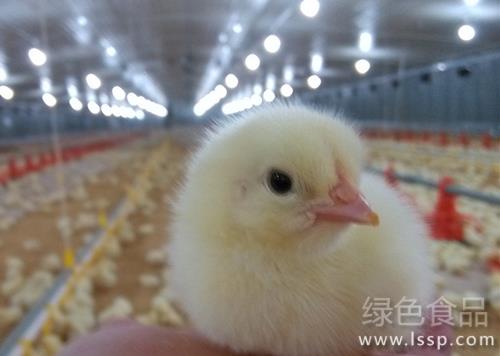
Chicks
To avoid pasted vent in chicks, in addition to the drinking water issue mentioned above, the correct method is: after giving drinking water, they can start eating, that is, start giving food after 24-36 hours. When the chicks first start eating, do not feed them animal protein feeds such as eggs (egg yolk) or fish meal. Feed them millet or crushed corn kernels. On the second day, you can feed them chick complete feed mixed with half crushed corn kernels. On the third day, the crushed corn kernels can be reduced to 1/3. After that, they can be fed chick complete feed normally.
During the brooding period, ensure normal temperature and humidity. The temperature must be lowered gradually, with a daily decrease not exceeding 1.5°C, avoiding sudden large temperature drops. Keep the air fresh and maintain humidity at 50—60%.
When there are already chicks with pasted vent in the flock, the feces stuck on the vent can be soaked with clean water and then gently removed. If there is redness and swelling, apply gentian violet or ointment-type medicines. In the feed, add an appropriate amount of antibacterial drugs such as ciprofloxacin or norfloxacin to prevent infection. Do not blindly use antibiotics such as gentamicin. Add 0.2-0.3% complex enzymes, dried yeast, or lactobacillus to the feed to promote the chicks' digestion and absorption functions.