Control methods for river crabs growing hair accompanied by poor appetite and slow movement
Growing river crabs sometimes develop hair-like growths on the cephalothorax and abdominal appendages. The shell surface is unclean, and the crab moves sluggishly, has a poor appetite, is malnourished, has difficulty breathing, its chelipeds do not pinch, and it cannot molt and dies. The main cause of this situation is that the river crab is diseased, and early control is necessary. The earlier the control, the better the effect, and losses can be avoided. So which diseases of river crabs cause hair growth, and how are they controlled?
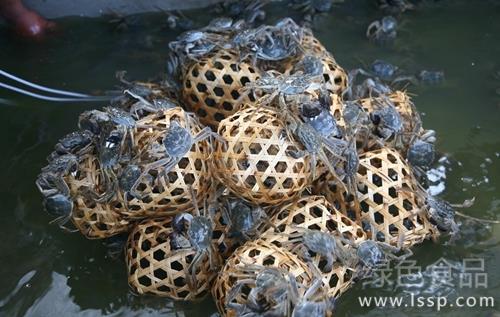
River crab
First, saprolegniasis.The hyphae of Saprolegnia fungi are grayish-white and cotton-like, attaching to the surface of the river crab and causing the crab to grow hair. Causes: the pond water is too fertile and not fresh, the amount of water added is small, and the crab body is injured, etc. Control method: for pond water with an average depth of 1 m, use 333 g of dichloro-dimethylhydantoin per mu, mix with water, and splash it over the whole pond.
Second, sessile ciliate disease of river crabs.Epistylis, Carchesium, etc. parasitize or attach to the back shell, walking legs, and gills of river crabs, forming a downy appearance. Causes: the pond water is too fertile and water has not been changed for a long time. Control method: for pond water with an average depth of 1 m, use 500 g of xianchongjing or shachongjing and other insecticides per mu, mix with water, and splash it over the whole pond.
Third, filamentous algae disease.Filamentous algae attach to the body surface of river crabs, causing green filamentous down to grow on the surface of the river crabs, with the down curved and irregular. Causes: the water is too fertile, the pH value is less than 7.5, and moss grows in the pond, etc. Control method: for pond water with an average depth of 1 m, use 15~20 kg of quicklime water per mu and splash it over the whole pond to raise the pH value; and use 500 g of chelated copper mixed with water to splash over the whole pond, or use 200 g of moss-killing agent mixed with soil and broadcast it over the whole pond, and after 8 hours, partially change the water.