Skin sores and hair loss: how to prevent and treat sheep scabies
Sheep mange is a chronic parasitic skin disease caused by sarcoptic and psoroptic mites parasitizing the body surface of sheep. It is also called scabies, acariasis, and scab, and it is highly contagious and causes serious harm.
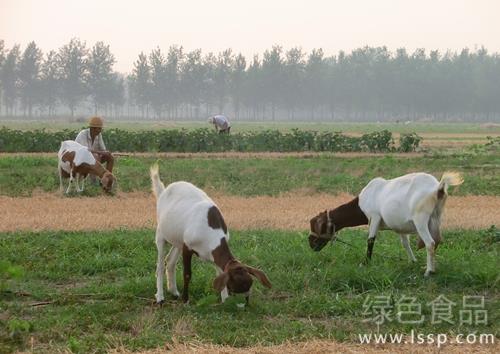
Sheep
(1) Epidemic characteristics: It occurs in winter and from late autumn to early spring. It first appears on soft, short-haired parts of the sheep's skin, such as the lips, corners of the mouth, nasal surface, eye rims, and ear bases, and then spreads to the surrounding areas.
(2) Symptoms: The sheep constantly rub against pen walls, posts, and other places, after which papules, nodules, and vesicles, and even pustules, appear on the skin, forming scabs and fissures. Especially in sheep with sarcoptic mange, the lesions are confined to the head, and large areas of hair fall out from the affected parts. Because the affected sheep gnaw and rub the affected areas all day, they become restless and agitated, which affects feeding and rest; they gradually lose weight and may ultimately die of exhaustion.
(3) Prevention and control: ① Prevention: a. The flock should receive regular medicated baths every year. b. Newly purchased sheep should be isolated and examined, and only mixed into the flock after it is confirmed that they are free of sarcoptic mite infestation. c. Keep sheep pens dry and well ventilated, and clean and disinfect them regularly. d. Isolate and treat affected sheep, and disinfect pens, equipment, and so on to prevent the spread of the pathogen.
② Treatment: a. Medicated bath therapy. It is suitable when there are many affected sheep and in warm seasons. Before large-scale medicated bathing, the selected drug should be tested on a small group; to avoid poisoning, carry out the bath on a sunny day, place the sheep in a cool place after bathing, and graze them only after the medicine has dried. The bath time is 1-2 minutes, and the sheep's head should be dipped. Before the medicated bath, let the sheep drink enough water to prevent accidental drinking of the medicated liquid. It is usually done twice, with an interval of 7 days. A commonly used drug is 0.05% deltamethrin aqueous emulsion. b. Injection therapy: suitable for treating various mite diseases, with good results. A commonly used drug is avermectin, at a dose of 0.2 mg/kg body weight, by a single subcutaneous injection. This product is also available as a powder for oral administration and pour-on, with the same effect.