Poor ventilation in the goose shed: beware of goose influenza when the weather turns cold in late autumn
The weather is cold in late autumn, and to keep warm, farmers often keep the doors and windows of the goose shed tightly closed. This means the dirty air inside the shed cannot escape and fresh air cannot get in. In addition, the climate in late autumn is changeable, and at this time geese are prone to influenza.
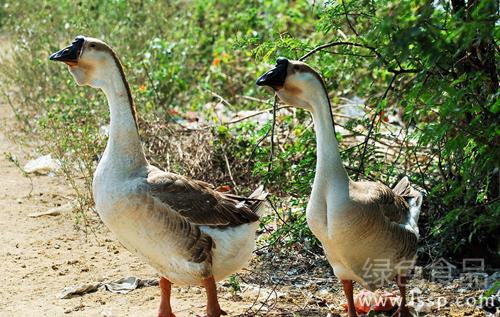
Goose
1. Disease symptoms. Goose influenza occurs only in geese and shows no pathogenicity to chickens or ducks. Geese of all ages can be infected, but goslings are more susceptible. It often occurs in winter and spring and spreads through the digestive tract and respiratory tract. Sudden climate changes, cold winters, long-distance transport, and improper feeding and management can all cause goose influenza. The incubation period is short, and symptoms appear early. The main signs are: difficulty breathing and a large amount of fluid secreted from the nasal cavity. At the same time, sick geese have an elevated body temperature, are depressed and eat less, have ruffled feathers, and their eyes water. In the later stage, they shake their heads forcefully and bend backward, flinging out nasal secretions, and their body feathers are wet from sticking mucus. Trembling of the head and feet and unsteady standing appear; in severe cases, both legs become paralyzed and the geese cannot stand. Diarrhea appears before death.
2. Prevention and control measures. (1) Strengthen the feeding and management of the goose flock in normal times, and keep the goose shed well ventilated and well lit. The stocking density of geese should be appropriate, and the sheds and exercise yards should be dry and hygienic. Cold-proof and warmth-keeping measures should be strengthened, feeding formulas should be used in a targeted way for geese of different ages, and drinking water and bedding straw should be clean and hygienic. (2) In areas where influenza occurs frequently, consult the relevant units, and after confirmation and characterization, vaccinate with an inactivated vaccine for prevention, which has a good effect. (3) In affected areas, sick geese should be isolated promptly, emergency disinfection should be carried out, and for small flocks culling is best. At the same time, drugs such as penicillin, norfloxacin, and Chinese herbal medicines can be used for symptomatic treatment.