How to improve lamb survival rate? Grasp the key to sheep farming profitability
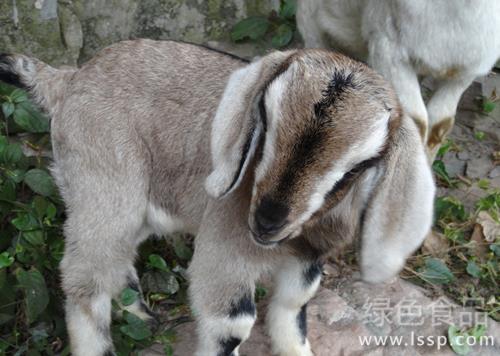
Lambs
1. Do a good job at the nursing stage:
After a lamb is born, first let it take in enough colostrum within 1 hour of birth to promote the passage of meconium and improve immunity; second, for ewes with poor udder development or first-time birthing ewes, in addition to strengthening feeding before or after birth, warm compresses and massage of the udder can be used to promote udder development and help with milk secretion; third, for ewes that are ill after birth or weak, treat them as early as possible to help them recover health as soon as possible; fourth, for ewes that give birth to many lambs, or are weak or ill, after they give birth, the lambs should be foster-nursed by ewes with a similar lambing age, or artificially fed, to ensure the healthy growth of the lambs.
2. Artificial feeding of lambs lacking milk:
Lambs can be artificially fed with goat milk, cow milk, skimmed milk powder or milk replacer. Artificial feeding should be at fixed times, in fixed amounts, at a fixed temperature, with fixed quality, and with regular disinfection.
3. Focus on supplementary feeding to promote lamb growth:
Starting from 2 weeks of age, lambs should be appropriately supplemented with high-quality green feed or green hay, along with concentrate feed. Concentrate formula: corn 40%, soybean cake 24%, high-quality grass meal 25%, wheat bran 8%, calcium hydrogen phosphate 1%, salt 1%, trace element additive 1%. The amount of concentrate supplement should be determined according to the lamb's age in days and body condition. At about 15 days of age, supplement 50-80 grams per day; at 31-60 days of age, supplement 100-150 grams per day; at 61-90 days of age, supplement 200 grams per day; at 91-120 days of age, supplement 250-300 grams per day; at 121-180 days of age, supplement 350-500 grams per day, once each in the morning and evening.
4. Disease prevention:
Lambs have weak resistance, are afraid of cold and dampness, and are susceptible to internal and external parasitic infections, so a complete and scientific epidemic prevention system should be established. At 15-20 days of age, lambs should be subcutaneously injected with the triple vaccine for braxy, sheep enterotoxemia, and lamb dysentery, or the multivalent Clostridium vaccine dry powder sterilized vaccine; at about 30 days of age, subcutaneously inject foot-and-mouth disease vaccine; at about 40 days of age, subcutaneously inject attenuated sheep pox chick embryo vaccine; at about 50 days of age, intramuscularly inject aluminum hydroxide live vaccine for contagious caprine pleuropneumonia; at about 60 days of age, inject attenuated contagious ecthyma cell freeze-dried vaccine into the oral mucosa; at about 70 days of age, subcutaneously inject aluminum hydroxide vaccine for Streptococcus ovis on the back; at about 80 days of age, inject live contagious pustular dermatitis vaccine into the lip mucosa; at about 90 days of age, intradermally inject No. II anthrax vaccine. After weaning at 2 months of age, the first deworming can be carried out with broad-spectrum, high-efficiency, low-toxicity albendazole at 8-15 mg per kilogram of body weight. After that, deworm once every quarter. It should be noted that vaccination injections, deworming, castration, grouping and other operations are all highly stimulating to lambs. To avoid stress in lambs, vaccination injections, deworming, castration, grouping and other operations should be spaced 7-10 days apart as much as possible.
5. Timely weaning to prevent weaning stress
Generally, normally developing lambs are weaned at 2-2.5 months of age. At this time, the gastrointestinal digestive function of the lambs has fully developed. As long as they are carefully cared for and supplementary feeding is strengthened, weaning the lambs will not affect their growth. The one-time weaning method is mostly used, that is, separating the ewes and lambs, moving the ewes farther away, no longer keeping them together, and ensuring the lambs cannot hear the calls. The lambs remain housed in the original shed to prevent weaning stress. After weaning, lambs often show diarrhea and slow growth, mainly due to gastrointestinal discomfort caused by changes in diet structure. Probiotic preparations can be added to the diet to improve gastrointestinal function, which can prevent diarrhea and slow growth.