Piglet red dysentery: bloody watery stools and high mortality, how to prevent and treat it?
Piglet red dysentery is an enterotoxemia caused by necrotic enteritis. The disease occurs mainly in piglets aged 1-3 days. Piglets infected with red dysentery develop intestinal necrosis and pass bloody watery feces. Once it is detected, treatment must be started immediately, otherwise large-scale deaths will occur. Because piglet red dysentery has a sudden onset, a short course and high mortality, treatment must be urgent.
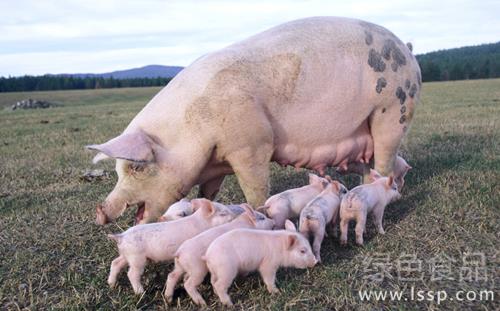
Piglets
The pathogen of piglet red dysentery is widely present in the intestines of humans and animals and in soil, and is even more common in the intestines of affected sows. It can be shed with feces, contaminating pig pens and the teats of lactating sows. Newborn piglets become infected when they suckle colostrum or swallow the bacterium from contaminated ground. The pathogen enters the jejunum and produces strong exotoxins, causing congestion, hemorrhage and necrosis of the affected intestinal wall, which then leads to diarrhea and death in piglets.
1. Emergency drug treatment
After birth, piglets should be given 0.2 ml of 25% chloramphenicol or 0.1 g of oxytetracycline orally, 2-3 times a day for 3 consecutive days; after onset, 0.2-0.4 ml of 25% chloramphenicol injection can be injected, and 200 mg of sulfaguanidine can be given orally, 3 times a day for 3 consecutive days.
2. Prevention methods
Prevention is the main approach for piglet red dysentery. The currently used immunization program for inactivated piglet red dysentery vaccine is: pregnant sows are given one intramuscular injection about 1 month and half a month before farrowing, 5-10 ml each time; sows that farrow continuously only need one injection half a month before farrowing.