Dairy cows developing illness after calving affects nursing, how can it be prevented and treated?
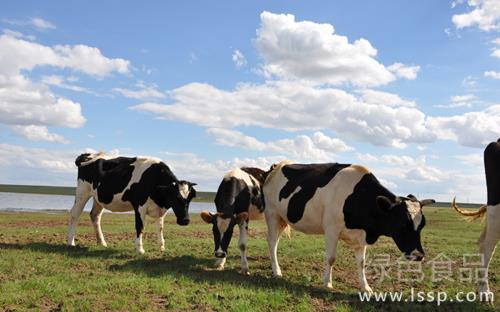
Dairy cows
Mastitis. It is caused by improper milking or drying off, combined with unclean udders and cow bedding, allowing invasion of the mammary gland. In acute mastitis, the udder is red, swollen, hot, painful, and hard, the cow refuses to be milked, milk yield drops or stops, the milk is red or yellow with floccules in it, sometimes watery milk is expressed, and body temperature is generally not elevated. Treatment: inject 1 million units of penicillin and 0.5 g of streptomycin dissolved in 25 ml of distilled water into the affected teat. Milk must be stripped out completely and repeatedly, 4 to 6 times a day, to promote recovery; severely affected cows should receive prompt symptomatic treatment.
Endometritis. A pale red or brownish, foul-smelling discharge flows from the vulva of the affected cow, especially when it lies down or is in estrus, when the discharge is greater. Treatment: disinfectant drugs (2.2% ethacridine lactate, 0.1% benzalkonium bromide, 0.05% nitrofurazone) or 500 to 1000 ml of 1% oxytetracycline suspension can be infused into the uterus through a catheter, once a day. In addition, maintaining good environmental hygiene and disinfecting the barn regularly can reduce the incidence of disease in dairy cows. For cows that have calved or aborted, drench with brown sugar and wheat bran soup to promote expulsion of the fetal membranes. Do not milk at noon; before milking, wash the udder with warm water; after milking, bathe the udder with 0.1% potassium permanganate solution to reduce the incidence rate.
Postpartum paralysis. Acute hypocalcemia occurring after calving in dairy cows, also called milk fever, is a common and frequently occurring disease. This disease mostly affects high-yielding dairy cows aged 5 to 9 years, and is characterized by depression, poor appetite, muscle tremors in the limbs, unsteady standing, paralysis, and inability to rise from lying down. In severe cases, consciousness is lost, body temperature drops below 36 degrees, and the head and neck bend to one side in an “S” shape.
Prevention. Within 2 to 8 days before calving, inject vitamin D3 solution intramuscularly at 1500 to 2000 units/kg body weight. One month before calving, feed a low-calcium diet, and after calving switch to supplemented forage; if necessary, administer calcium preparations orally, more than 100 g per day. For old, weak, or high-yielding dairy cows, one week before calving use 20% calcium gluconate injection and 25% glucose injection, 500 ml of each, once a day or once every other day by intravenous injection, for 2 to 3 consecutive days; the preventive effect is quite good.