Three Points to Note When Restocking Beef Cattle After Autumn: Replenish Reserve Stock in Time
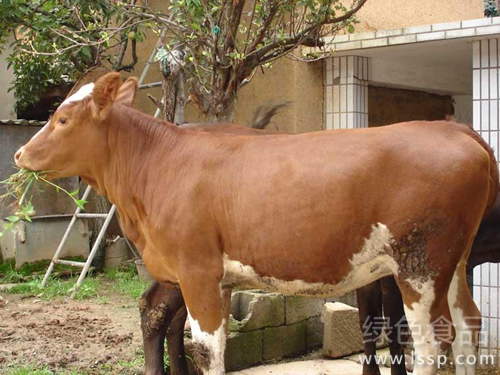
Beef Cattle
1. Get the number and breed of beef cattle right:
1. The number of cattle to restock must be kept reasonable. Because temperatures are high in the early days of the Start of Autumn and mosquitoes and other biting insects are about, beef cattle growth is affected and slowed. If a beef cattle gains 0.75 kg in a day, the returns can basically break even with the costs; if it is below 0.75 kg, the returns are lower than the costs and a loss is faced. Therefore, calves should be bought for restocking when temperatures are low as far as possible.
2. The admission of calves must be kept reasonable. Choose crossbred varieties with good adaptability and disease resistance and a moderate price as far as possible.
2. Disease control:
1. Keep a close watch at the admission stage. When restocking beef cattle, note: before buying, find out where the beef cattle come from and whether there has been any disease outbreak; after buying, observe them for 2-3 days at the place of origin, and only set off once it is confirmed there is no disease; after entering the feeding procedure, isolate them for 15 days first, and only mix them with the herd once everything is certain.
2. Strengthen prevention of foot-and-mouth disease. Beef cattle generally have no major diseases, and the key one to prevent is foot-and-mouth disease. In addition, always watch whether the beef cattle have symptoms such as fever, coughing and diarrhoea. Once found, medicine or injections should be given early.
3. Strict disinfection and sterilisation. The breeding site, people entering and leaving, delivered forage and excrement should all be disinfected. Disinfect the pens once a week, alternating disinfectants to avoid developing drug resistance. Newly transported forage in particular should be put into a special storage room and only fed after technical processing makes it easier to absorb and convert.
3. Scientific management:
1. Get the feeding cycle right. Between restocking and marketing beef cattle, keep to the principle of not spanning "two winters".
2. Feed strictly according to science. Concentrate and forage should be reasonably matched. Feeding can be three times a day or twice a day, and twice a day gives relatively better returns. For three feedings a day, the feeding times are 7 am, 4 pm and 10 pm; for two feedings a day, the feeding times are 5-7 am and 5 pm or 5:30 pm.
3. Patrol daily. In day-to-day management, the most important thing is disinfection. On this basis, keep patrolling every day, focusing on the beef cattle's feed intake and how fast or slow they eat, so as to judge whether the beef cattle are growing normally.
4. Do a good job of promoting beef cattle digestion. Promoting beef cattle digestion is generally done once every two or three months, usually mainly orally, supplemented by injections. Feeding method: mix drugs such as Jianwei Xiaoshi San into the concentrate.