Pig farming in winter is greatly affected by low temperatures, and five aspects need to be controlled
1. The suitable growth temperatures for pigs: newborn piglets 32-35°C, nursery pigs 20-22°C, medium and large pigs 15-20°C. Low temperatures affect pig growth and weight gain. When the pig house temperature falls below the lower limit of the suitable temperature, for every 1°C decrease, the daily weight gain decreases by 17.8 grams; if the house temperature drops below 4°C, the weight gain rate decreases by 50%, and feed consumption increases by more than 1 times. Therefore, in winter, pig houses should strengthen warmth retention, reduce the metabolic consumption of pigs, and improve breeding efficiency.
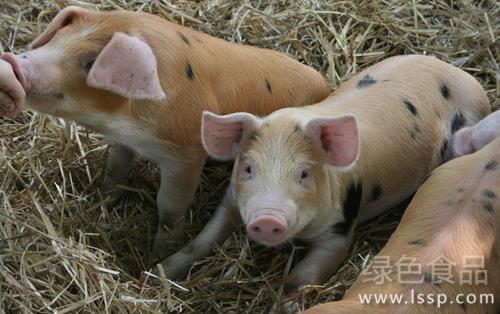
Pig
2. When the pig house temperature is low and humidity is high, it affects pig production performance, and especially seriously harms piglets. In pig houses with high relative humidity in winter, piglets' average weight gain is about 48% lower than that of the control group, and they are prone to diarrhea, enteritis and other diseases. Suitable growth humidity for different pigs: piglets 50%-70%, 40-80 kg fattening pigs 70%, 80-110 kg fattening pigs 80%, breeding sows 55%-80%. Moisture in pig houses can be prevented and dryness maintained through ventilation, increased lighting, and adding more warm bedding.
3. In winter, the temperature of drinking water and feed for pigs is closely related to pig growth, development and health. When the water temperature and feed temperature are 0°C, to raise the water and feed temperature to the body temperature level of 39°C, the pig's body must consume 682-878 kilocalories of heat energy, equivalent to 0.5-0.75 kg of concentrated feed per day being wasted on maintaining the pig's body temperature. Therefore, in winter, it is best to feed piglets and sows warm feed and warm water, with the water temperature kept at about 37°C.
4. In severe winter, pigs are most afraid of “cross-ventilation” and “draft wind”. These winds not only lower the house temperature, but more easily cause pigs to catch colds, stroke, rheumatism and other diseases. In winter, pig houses must have wind holes plugged, straw curtains hung, windows sealed, and doors and windows tightly closed to prevent “draft wind” from blowing in through rat holes, cracks, gaps, broken roofs, door edges, window seams and other places in the pen, which affects the normal growth and development of pigs.
5. If in winter the pig house temperature is low, humidity is high, sanitation is poor, and ventilation is poor, pigs are prone to disease. Therefore, feeding management must be strengthened, pig houses must be kept ventilated, clean and dry, and pig houses must be disinfected regularly, preferably with the flame disinfection method. At the same time, carry out the “five observations”, namely observe appearance, observe spirit, observe feed intake, observe feces and urine, and observe breathing. Once a pig is sick, it should be diagnosed promptly and isolated for treatment as early as possible.