How to use chlorine-containing compound fertilizers well? An analysis of scientific application methods
How should chlorine-containing compound (mixed) fertilizers be used well? Please explain the methods. Introduction to chlorine-containing compound (mixed) fertilizers: refers to compound (mixed) fertilizers whose potassium source comes from potassium chloride and whose nitrogen source is partly or entirely ammonium chloride. Chlorine is one of the nutrient elements essential for crop growth, but improper application can adversely affect crop growth....
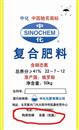 How should chlorine-containing compound (mixed) fertilizers be used well? Please explain the methods
Introduction to chlorine-containing compound (mixed) fertilizers:
Refers to compound (mixed) fertilizers whose potassium source comes from potassium chloride and whose nitrogen source is partly or entirely ammonium chloride. Chlorine is one of the nutrient elements essential for crop growth, but improper application can adversely affect crop growth. The main reasons: First, because the chloride ion is the most active anion in the soil, it combines with cations to form chlorides, and chlorides dissolve very easily in the soil, can rise to the surface with soil water, and when the water evaporates, the salts remain on the surface, bringing the cations from the lower layer to the upper layer and aggravating the salt damage to the soil; second, the chloride ion can also combine with other cations to form harmful chlorides, such as calcium chloride formed in the calcareous soil of our city, which is unfavorable to crop growth and development. Third, some plants are very sensitive to the chloride ion, and when the absorbed amount reaches a certain level, it will obviously affect yield and quality; these plants are usually called chlorine-sensitive crops.
Precautions for using chlorine-containing compound (mixed) fertilizers:
1. Widely suitable for crops with strong chlorine tolerance and medium chlorine tolerance. The crops with strong chlorine tolerance in our city mainly include: cotton, spinach, sugar beet, cauliflower, tomato, rapeseed, radish, cucumber, eggplant, etc.; crops with medium chlorine tolerance include wheat, corn, peanut, soybean, scallion, cauliflower, cabbage, celery, strawberry, grape seedlings, hawthorn seedlings, etc.
2. It should not be used on crops with low chlorine tolerance. These are mainly tobacco, sweet potato, potato, Chinese cabbage, chili pepper, lettuce, amaranth, apple, grape, tea, watermelon, etc.; these crops are usually called chlorine-sensitive crops; third, it should not be applied to saline soil with high chlorine content, salinized soil, poorly drained low-lying waterlogged land, calcareous soil with strong water seepage, or soil under long-term greenhouse cultivation conditions.
Click to get more compound fertilizer application techniques
Click to get more fertilizer application techniques