Fast fattening techniques for meat sheep in autumn: suitable temperatures and abundant forage and straw
Keeping commercial meat sheep in barns and fattening them with high-quality forage for 3 months before sale can increase the individual body weight, slaughter rate and economic benefits of meat sheep.
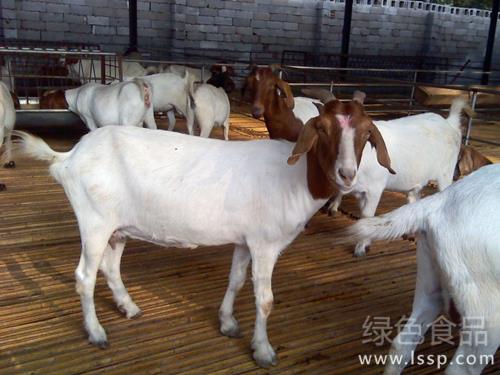
Meat sheep
Preparation before fattening:
Choose a sheep barn in a place that is well ventilated, well drained, well lit, sheltered from the wind and facing the sun, and close to pasture and feed warehouses. The stocking density should be 0.4-0.5 sq m per meat sheep, which can limit the sheep's movement and improve the fattening effect.
Forage and feed are the foundation of meat sheep fattening. Throughout the fattening period, each meat sheep should be provided with 2-2.5 kg of hay per day, or 3-5 kg of ammoniated feed or silage, etc.; concentrate feed should be 0.3-0.4 kg per meat sheep per day.
The demand for mutton is high in winter and spring, and it is more suitable for commercial meat sheep to be marketed in winter, so autumn is the best time to choose for meat sheep fattening. At this time the temperature is suitable and forage and crop straw are abundant, which is conducive to the rapid growth and sale of meat sheep.
The meat sheep used for fattening should be lambs of the current year and young sheep, followed by culled and old sheep. After selecting the sheep for fattening, the sheep need to be dewormed and castrated.
Feeding and management principles:
The ratio of concentrate to roughage in the feed should be appropriate, so that it can provide energy, meet protein needs, and maintain normal stomach activity in sheep, ensuring the health of the meat sheep. Therefore, concentrate feed should preferably account for 1/3 of the daily ration. Seed-type feed should not be ground too finely, so as to avoid dust being inhaled into the sheep's lungs and affecting health. In addition, when combining concentrate with green hay, it is best to add silage as well to meet vitamin needs, or appropriately add compound vitamins and trace elements to the meat sheep feed.
The amount of feed for meat sheep should be determined according to their feed intake: feed as much as they will eat. Their feed intake is related to the breed, age, sex and body size of the meat sheep, as well as the palatability and moisture content of the feed. The greater the sheep's feed intake, the higher its daily weight gain. The daily feed intake of meat sheep is 2-2.5 kg of hay, 3-4 kg of fresh green grass, and 0.3-0.4 kg of concentrate. Feed concentrate first, then hay or roughage, and finally provide water. Add forage at any time to maintain the sheep's strong appetite and increase their feed intake, among which protein accounts for about 8% of the sheep's daily ration.
In autumn fattening, the movement of meat sheep should be reduced as much as possible to lower consumption so that all the nutrients absorbed by the meat sheep are used for weight gain. At noon, the meat sheep can be let out to bask in the sun or graze nearby for a short time.