How to keep pig houses warm in winter? Low temperatures cause slow pig growth and poor disease resistance
In autumn and winter, temperatures are low, pigs grow slowly, feed conversion is poor, disease resistance declines, they fall ill easily, and pig farm profits suffer. To ensure normal, rapid growth and development of pigs, improve feed conversion, and increase pig farming income, keeping pig houses warm is very important.
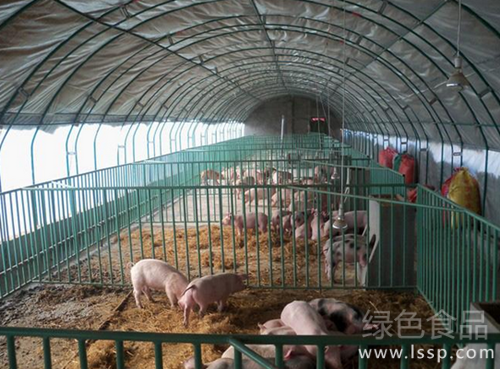
Keeping pig houses warm
Inspection and repair:Drafty wind invading pig houses and striking the pigs' bodies can cause colds, pneumonia and other diseases, so pig houses should be built on high, dry, sunny ground. Before winter arrives, block the openings on the north, west and east sides, promptly repair gaps in the roof and the four walls, and windows and ventilation holes should be 1—1.5 m above the ground to maintain a stable house temperature.
Hang straw curtains:Before winter arrives, pig house doors and windows can be fitted with straw curtains or covered with plastic sheeting to keep them warm against the cold. Outside the north wall of the pig house, on the northwest side, build a windbreak wall of straw stalks or pile up haystacks to block the wind, preventing the northwest wind from invading.
Build a plastic shed:Plastic sheds require little investment, give high returns and are easy to make. Farmers can generally keep pigs in scattered pens following the pen pattern, adapting to local conditions, and build arched, ridged, umbrella-shaped or single-slope sun-facing sheds above the pens. Leave a movable ventilation window on the upper south side for regulating temperature and air exchange. A plastic shed lets light through and traps warmth, and the house temperature can be raised by about 7°C, which helps pigs grow and gain weight.
Spread straw bedding:Before winter arrives, spread a 15 cm thick layer of corn leaves or other dry grass on the pig bed; this can absorb moisture and remove dampness, absorb harmful gases, and raise the pig bed temperature. Practice has shown that spreading 10 cm thick sawdust in the pig pen and adding a fermentation agent, after several days, the sawdust ferments, the temperature can reach 35°C, and the temperature inside the house rises. After use as bedding, the sawdust can be used as crop fertilizer.
Prevent drafty wind:Drafty wind enters through gaps in the pig house and strikes the pigs' bodies, causing colds, pneumonia and other diseases. Therefore, broken and gaping places in the pens must be blocked, and time should be taken each day to check whether the pig house walls and roof have cracks or holes and whether the door curtains and window curtains are hung properly.
Disinfection and immunization:Some infectious diseases, such as porcine contagious pleuropneumonia, swine influenza and epidemic diarrhea, have obvious seasonality and can be triggered by sudden temperature changes and poor sanitary conditions. In addition, in autumn and winter, try to avoid buying breeding pigs from other places, so as not to introduce infectious diseases. Also, piglets born in spring are better kept for breeding than those born in autumn.
Careful feeding:When preparing the daily ration for pigs, appropriately increase energy feed such as sorghum and corn. Feed fermented before feeding, and provide warm water for drinking. The feed supply must be sufficient, and around midnight each night, feed once more, to strengthen the pigs' cold resistance and disease resistance and promote rapid growth.
Add Chinese herbal medicine to the feed:Adding Chinese herbal medicines that invigorate blood and remove stasis, strengthen the spleen and dry dampness, and dispel wind and scatter cold to pig feed can both promote rapid fattening of pigs and resist cold and prevent disease. Prescription: hawthorn, Atractylodes lancea, tangerine peel, betel nut and medicated leaven 10 g each, malt 30 g, Chuanxiong, licorice, Schizonepeta, Saposhnikovia and arborvitae seed 60 g each, akebia 8 g, grind into powder, mix with a small amount of feed, feed all at once in the morning, once a week.