In winter, when temperatures are low, dairy cows have weaker resistance, so how can milk production be increased?
Increase barn temperature:The suitable temperature for dairy cow growth is 8-16°C; within this range, the cow's metabolic rate and heat production are at their lowest. This is shown by: less feed consumption and a lower disease rate. If the barn temperature is below 0°C, the cow's body must release a large amount of energy to maintain body temperature. Therefore, keeping dairy cows at a suitable temperature in cold winter is especially important. Seal tightly the doors, windows and wall cracks on the west and north sides of the cowshed to prevent drafts; hang curtains on the doors and windows on the sunny side.
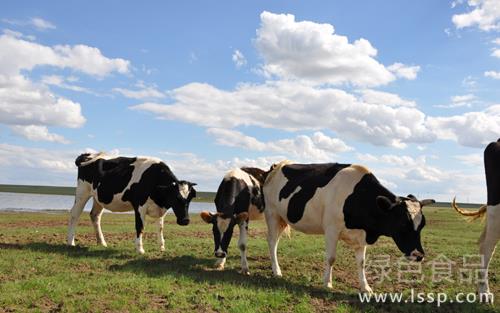
Dairy cows
Raise the feed standard:Rumen fermentation in dairy cows and the energy produced are diverted to maintaining body temperature, so the nutrients needed for maintenance and production should also be increased, by 10-15% above the feeding standard. Therefore, in winter, 15% more mixed concentrate must be added to maintain or increase milk production.
Provide enough warm water:In winter, dairy cows eat more hay, and the amount of digestive fluid increases; saliva alone is secreted at about 50 liters per day. Without sufficient drinking water, appetite will decline, causing milk production to drop and even leading to disease. For every 1 kg of dry feed a dairy cow eats, it needs about 5 kg of water. Therefore, total winter water intake should be no less than in summer. According to reports, dairy cows drinking 8.5°C water in winter can increase milk production by about 8% compared with drinking 1.5°C water. However, giving dairy cows 20°C warm water for a long time will instead weaken their constitution and reduce the digestive capacity of the stomach. Suitable winter drinking water temperatures for dairy cows: adult cows 12-14°C; lactating cows and pregnant cows 15-16°C; calves 35-38°C.
Supply enough salt:Salt is one of the main components of gastric juice. In winter, as dairy cows' gastric juice secretion increases, their salt requirement also increases. If salt intake is insufficient, it will lead to poor appetite and reduced milk production. The daily salt supply should be determined by the cow's body weight and milk production, generally 50-100 grams per day. In addition to mixing it into the concentrate at 1% of the diet, a separate salt trough can also be provided so the cows can lick it freely.
Increase exercise:In winter, dairy cows are kept tied up indoors for long periods with insufficient light and stale air, and get no exercise. This not only reduces milk production but also causes some diseases. Generally, around noon each day, drive the dairy cows outside the barn to move around, sunbathe and breathe fresh air; at the same time, brush the cow's body 2-3 times a day to keep the body surface clean, promote blood circulation, increase resistance to disease and cold, and raise milk production.
Do a good job of sanitation:The pen should be clean and dry, and it is best to spread soft straw where the dairy cows lie down. In damp places, plant ash should often be scattered, which can both disinfect and prevent disease and absorb moisture and remove odor. In winter, dairy cows should be dewormed once, and vaccination should also be done well to prevent infectious diseases.