Weaned piglets need to be trained before joining the group, and good nursery care must be provided
(1) Pen disinfection.Before the piglets enter, the nursery house must be thoroughly cleaned, scrubbed and disinfected to kill bacteria; after the piglets enter, disinfect regularly (2-3 times per week) and promptly remove pig manure, urine and other waste.
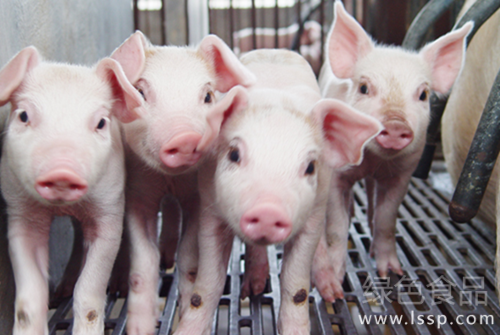
Piglet nursery care
(2) Grouping and training.When grouping, follow the principle of keeping the same litter in the same pen as far as possible and matching piglets of similar size and weight; raise piglets that are too small and too weak separately to reduce bite-fight injuries and help stabilize the piglets' mood and support normal growth. Training of piglets must be done well: after the piglets enter the nursery house, the keeper must train them to distinguish the sleeping area from the dunging area.
(3) Suitable stocking density.Large-scale pig farms require 15-20 piglets per pen in the nursery house, with a maximum of no more than 25. The pens use slatted or partly slatted floors, with each piglet occupying 0.3-0.5 sq m.
(4) Create a good, comfortable environment.The most suitable ambient temperature for nursery pigs: for newly weaned piglets, the temperature inside the house is 30°C, then lowered by 3-4°C each week until it reaches 22-24°C. The most suitable relative humidity is 65%-75%.
(5) Provide adequate clean drinking water.Within 7-10 days after weaning, add electrolytes such as glucose, potassium salts and sodium salts, or vitamins, antibiotics and other medications to the drinking water to improve the piglets' resistance, encourage feed intake and growth, and prevent diarrhea caused by piglets drinking dirty water.
(6) Strengthen feeding management.Within 5-6 days after weaning, control the piglets' feed intake, with about 70%-80% fullness being appropriate, and feed small amounts more often (6-8 times per day and night), gradually transitioning to free feeding. The principle for the total amount of feed given is to let the piglets eat as much as possible on the premise that nutritional diarrhea does not occur. Feed different feeds at different ages: when the piglets first enter the nursery house, feed them milk replacer for about 1 week to reduce stress caused by feed changes, then gradually transition to nursery feed. Feed must be stored properly, and more should be added only after the feed in the trough has been eaten up, so as to keep the feed fresh and prevent it from going moldy.
(7) Do a good job of immunization injections and deworming.In the nursery house, piglets should not be vaccinated with too many vaccines; mainly vaccinate against swine fever, porcine pseudorabies, foot-and-mouth disease, etc.; deworming includes eliminating internal and external parasites such as roundworms, sarcoptic mites, lice and nematodes, and the suitable time for deworming is 35-40 days of age. For internal parasites, use avermectin at 0.2 mg per kg body weight or levamisole at 10 mg per kg body weight mixed into the feed, administer in the morning, and feed again the next morning.