In winter, low temperatures and a shortage of green forage - how can sheep overwinter safely?
Prepare enough feed: Prepare enough protein-rich soybean straw, soybean pod husks, alfalfa, sweet potato vines, tree leaves, silage, ammoniated feed, etc. These are all essential feeds for sheep to overwinter safely, so make sure to store them in autumn. Store fine feeds such as corn for supplementary feeding. Straw feeds such as soybean straw should be crushed before feeding.
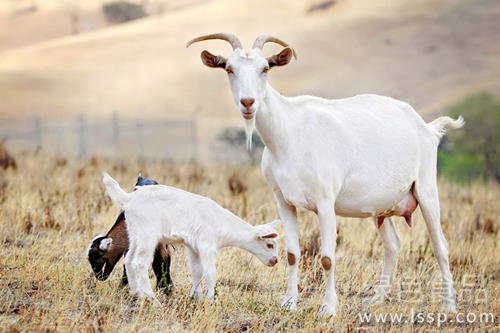
Sheep
Repair the sheep shed: The sheep shed must be well ventilated, dry and clean. Before winter arrives, air leaks should be blocked so that the roof does not leak rain, the floor is not damp, and the four walls are not drafty. Before winter begins each year, adjust the flock according to the sheep's nutritional condition, forming groups of sheep with similar body condition to graze together and make full use of the pasture. Weak sheep should be kept nearby and strong sheep taken farther away, so that the weak flocks can be looked after. For sheep that remain ill for a long time, are small and thin, remain open for a long time, are old and weak, or have low production performance, build up their autumn body condition, or cull them in time. In late autumn and early winter, sheep flocks can be dewormed with trichlorfon or bithionol.
Strengthen supplementary feeding: After winter begins, the pasture grass withers, and grazing alone can no longer meet the flock's nutritional needs. Supplementary feeding should be carried out every day before grazing and after herding back: feed from 4—7 a.m. and from 3—5 p.m., and supplementary feeding should be done in an open pen outside the shed. Each sheep should be supplemented daily with 1 kg of corn stalk silage, 100—250 g of fine feed, 5—7 g of bone meal, and 5—10 g of salt, and should be given water twice a day. For ewes carrying twin lambs, the supplementary feeding amount should be doubled, and as much succulent silage as possible should be provided.
Do a good job with grazing: When sheep enter and leave the pen gate, graze, return from grazing, are fed, and drink water, handle them calmly and strictly prevent crowding. Choose pastures with abundant grass, warmth and shelter from the wind for grazing, and, except on windy days, persist in grazing for more than 6 hours every day. According to the terrain and forage conditions, graze the sunny slopes first and the shady slopes afterward; graze distant areas first and nearby areas afterward; graze the gully bottom first and the gully slopes afterward; graze short grass first and tall grass afterward. While the sheep are in good body condition, make as much use as possible of distant pastures and leave nearby pastures for lambs and thin, weak sheep. Before grazing in the morning, first open the doors and windows on the leeward side of the sheep shed to let out the warm air, and when the temperature inside and outside the shed is close, then drive the sheep out, so as to avoid the sheep catching a cold.