Cold weather and long nights in winter, low-nutrient forage: how do you tackle the sheep-farming problems point by point?
In winter the weather is cold and the nights are long, the pasture grass withers, the forage is low in nutrients, and sheep lose a lot of heat. At the same time, this is when most ewes are pregnant and when young sheep go through their first winter, so the flock has a high demand for nutrients. Once they are fed improperly, the sheep lose condition and may even die.
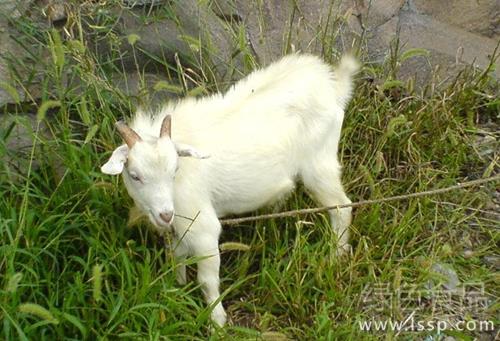
Sheep
1. Main countermeasures:
1. Winter temperatures are low, and a sheep shed that suited the sheep in summer and autumn no longer does, so the shed must be repaired. The shed should face south with its back to the north, with plenty of sunlight, good air circulation, dryness and cleanliness, and good insulation. Before “Start of Winter”, plug the ventilation holes and make sure the roof does not leak, the four sides are not drafty and the floor is not damp. Sheds that are dilapidated, leaky or drafty must be repaired promptly. Once deep winter sets in, hang straw curtains or cotton door curtains at the shed exit and ventilation openings to keep out “thief winds” and keep the shed warm and dry.
2. Rational grazing: first pay attention to grazing time. In summer, sheep graze in the morning or later in the afternoon, whereas in winter, apart from windy and snowy weather, you should persist in grazing every day, around midday each day, for about 4 hours. When the weather is extremely cold, graze nearby, so that the sheep can get exercise and also expend less energy on the way to and from pasture.
Next is the grazing method. In early winter, dry leaves are still fairly abundant and cold-tolerant plants are still growing, so seize the chance to graze, going out late and returning early, and let the sheep eat more green grass. When grazing, choose pasture that is sheltered from the wind, faces the sun, lies high and has a good water source. Graze the shady slopes first and the sunny slopes afterwards, the gully bottoms first and the gully slopes afterwards, the short grass first and the tall grass afterwards, so that the sheep walk less and eat more grass. Keep to going out against the wind and returning with the wind, so the sheep gradually adapt to the cold. Graze ewes on nearby pasture, and young sheep and wethers on more distant grassland; group thin and weak sheep separately and graze them where there is plenty of grass.
Third, strengthen supervision. When grazing, do not let the sheep become overly tired; keep them walking slowly, do not let them jump ditches or trenches, climb steep slopes, walk on icy paths or be startled, and do not let them eat grass covered in mud, frosted grass or rain-soaked grass. On the way back, control the flock well and avoid chasing and hurrying them. Entering and leaving the pen gate must be done steadily, and crowding must be strictly prevented, as it can cause miscarriage.
3. During the withered-grass period of winter and spring, grazing alone does not provide the flock with enough nutrition, so it is best to graze for half a day and supplement feed for half a day. This both reduces physical exertion and helps maintain and gain condition. Timely supplementary feeding can also raise sheep production. For example, when supplementing feed at night and in rain or snow, you can use dry or silage forage; for supplementary hay, mostly peanut vines, bean stalks and wild grass, give 0.5-1.0 kg per adult sheep per day. If there are few sheep, put the grass in a basket and hang the basket up to feed them; if there are many sheep, make your own hay rack to feed the grass, or bundle the grass and hang it at a height the sheep can reach. For supplementary concentrate, a mixed concentrate of grain flour, corn flour, rice bran and soybean cake can be fed once in the evening, 0.2-0.3 kg per adult sheep per day. In addition, pay attention to adding salt, vitamins and trace elements; for lambs, breeding rams and pregnant ewes, add succulent green feed such as carrots.
Goat
4. Winter forage is dry, so drinking water must be adequate. Water once at 2 p.m. each day, and again after the flock returns in the evening. Generally give warm water at about 25°C; cold water or water with ice bits must not be used. Add an appropriate amount of salt, and never water first and salt afterwards, otherwise it will cause the “water pressing the fetus” phenomenon.
5. Disease prevention and control, and good hygiene and disinfection work. Winter temperatures are low and sheep are prone to diseases such as colds and fever, so keep a close watch during rearing. Inspect the pen frequently and keep the pen, bedding, drinking water and forage clean and hygienic. When necessary, disinfect the pen thoroughly to ensure the sheep's body surface is clean and hygienic. At the same time, do a good job of preventing and eliminating sheep diseases, treat manure biologically, and carry out sheep disease prevention and deworming well. In particular, do a good job of preventing and controlling sheep dysentery, colibacillosis, sheep streptococcosis and colds, and routinely use deworming drugs for preventive deworming of sheep, so as to keep the sheep strong and able to resist the onslaught of cold winter.