Precautions for Calcium Supplementation in Laying Hens to Improve Egg Production and Quality
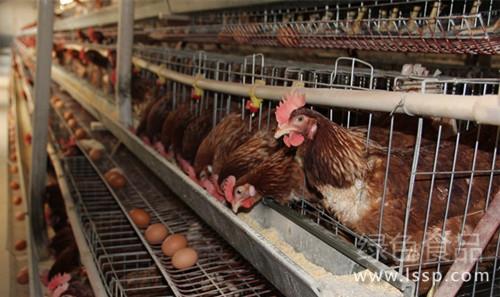
Calcium Supplementation for Laying Hens
1. Calcium supplementation can begin two weeks before the hens start laying.
To help hens produce more high-quality eggs, calcium feed can be supplemented two weeks before they start laying. Practice has shown that the optimal calcium content in the diet of laying hens is 3-3.5%. This not only prevents the hens from drawing on calcium reserves in the bone marrow due to calcium deficiency, but also meets the hens' calcium needs during the normal laying period.
2. Feed high-calcium feed between 12:00 and 18:00 each day.
Experiments have shown that hens do not need calcium temporarily within 8—10 hours after laying; only when the eggshell is formed at night do they need a large amount of calcium. Since the hen's ability to retain calcium is limited, excess calcium is quickly excreted. Therefore, feeding hens high-calcium feed between 12:00 and 18:00 each day allows the calcium to be absorbed into the blood and used directly for nighttime eggshell formation, without having to draw on calcium from the bone marrow. This helps maintain the hen's calcium balance and enables the hens to lay more eggs.
3. The calcium-to-phosphorus ratio in the feed should be appropriate.
Because the hen's ability to absorb calcium is affected by phosphorus, calcium can only be better utilized when the calcium-to-phosphorus ratio is balanced. Generally, an absorption rate is higher at a ratio of 2:1-1:1. At the same time, vitamin D3 should also be supplemented, as it can promote calcium absorption in the small intestine and promote normal bone calcification, which helps improve eggshell quality and the laying rate.
4. Add an appropriate amount of vitamin C to the diet.
Research shows that vitamin C can increase thyroid activity, promote calcium metabolism in the hen's body, release calcium from the bones, and increase the calcium content in the blood, thereby improving eggshell composition and increasing eggshell hardness and egg production. The appropriate dosage of vitamin C in the diet is 50 mg per kg of feed.
5. Buy high-quality complete feed.
The quality of laying hen feed on the market varies greatly. To reduce costs, some factories add large amounts of stone powder to complete feed, making the calcium content exceed 4%. Feeding this kind of feed affects the eggshell and egg production, making the eggshell color lighter and lowering the laying rate. Therefore, when purchasing complete feed for laying hens, choose high-quality complete compound feed produced by legitimate large manufacturers.
6. Pay attention to the effects of stress factors.
The absorption and utilization of calcium by hens are affected by various stress factors. Stress can prolong the laying process and laying time, and eggs remaining too long in the shell gland increase calcium deposition, making the eggshell color turn white. Therefore, during rearing, stress factors should be minimized as much as possible, and the flock should be kept at an appropriate density and house temperature. This can improve eggshell color and quality, and also ensure high and stable production in hens, increasing rearing benefits.