How to prevent and control the high fever, loss of appetite, convulsions and ataxia caused by porcine pseudorabies
Porcine pseudorabies is a major infectious disease, with high morbidity and mortality in piglets, especially in winter. The first cases appear in sow houses during the peak farrowing period, and the morbidity rate can reach 100%. Affected pigs are mainly piglets within 15 days of age; the earliest age of onset is 4 days, with a morbidity rate of 98% and a mortality rate of 85%. As age increases, the mortality rate declines; adult pigs develop mild disease but rarely die. Sows mostly show transient or subclinical infection but rarely die.
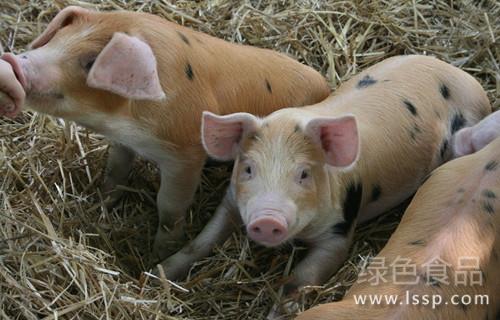
Pig
Porcine pseudorabies is mainly transmitted through the respiratory tract. It can also spread through contact with the carcasses of infected animals such as rats and pigs. It can also be transmitted through the digestive tract after eating feed or drinking water contaminated with the virus. In addition, it can be transmitted through broken wounds and, during mating, through contact with contaminated vaginal mucosa and semen. After pregnant sows are infected, the fetuses become infected via the placenta; 6-7 days after lactating sows are infected, the virus is present in the milk and persists for 3-5 days, so suckling piglets can become infected through nursing.
Porcine pseudorabies mainly presents with respiratory and neurological symptoms, with sudden onset, body temperature rising above 41°C, listlessness, loss of appetite, and vomiting or diarrhea. Within 24 hours, symptoms such as ataxia and convulsions appear, and most pigs die within 24-36 hours after the neurological symptoms appear. The mortality rate of piglets within 15 days of age is nearly 100%, and often the entire litter dies. After 20 days of age, the morbidity rate decreases, but the mortality rate remains relatively high.
Prevention and control measures:
1 Emergency vaccination. All pigs on the farm should be vaccinated with high-quality pseudorabies gene-deleted attenuated live vaccine, and after an interval of 4-6 weeks, a booster immunization should be given once more. Piglets can also be immunized with attenuated live vaccine by nasal drip, using a dedicated nasal dropper; if a syringe is used, one nostril should first be covered, and a small amount should be dripped into the other nostril multiple times so that the vaccine is properly inhaled through the nasal cavity.
2 Disinfection. Disinfect pens, premises, roads, etc. with a 3% caustic soda aqueous solution or 1:300 compound phenol, compound aldehyde, etc., and soak work clothes, shoes, hats, etc. in disinfectant or sterilize them with high-pressure sterilization.
3 Strengthen biosecurity. Strictly prohibit dogs, cats, birds and other animals from entering the pig farm, and strengthen rodent control; strictly restrict the entry of outside personnel and vehicles into the pig farm, prohibit personnel on the farm from moving between pens, and prevent human-mediated spread; handle dead and diseased animal carcasses, stillbirths, aborted materials, other contaminants and excreta by harmless treatment or deep burial.
4 Prevention and control. Apart from the early use of anti-pseudorabies specific serum, there is still no specific treatment for this disease. Therefore, pig farms should effectively implement the policy of “prevention first, prevention is more important than treatment“ and adopt comprehensive prevention and control measures.
5 Strengthen biosecurity and veterinary hygiene. Do not raise pigs together with cattle, sheep, rabbits, mink or foxes; eliminate stray cats and rats; prohibit dogs and cats from entering the production area to prevent cross-infection. Strengthen routine disinfection, and manure should be piled for fermentation treatment. When introducing breeding stock, serological testing must be carried out, and animals may be introduced only when they are confirmed negative, and they should be isolated and raised for 4 weeks.
6 Do a good job of pseudorabies eradication. Where conditions permit, pig farms should, when using gE gene-deleted vaccine for immunization, regularly monitor the breeding herd with a differential diagnostic kit and cull positive breeding pigs; monitor replacement breeding pigs, and send positive ones for fattening.