How to prevent and treat tetanus in cattle? Difficulty opening the mouth, stiff limbs, and severe rumination require vigilance
Cattle tetanus is a muscular rigidity condition caused by Clostridium tetani, commonly known as lockjaw. It is characterized by sustained spasms of skeletal muscles and increased excitability of nerve reflexes.
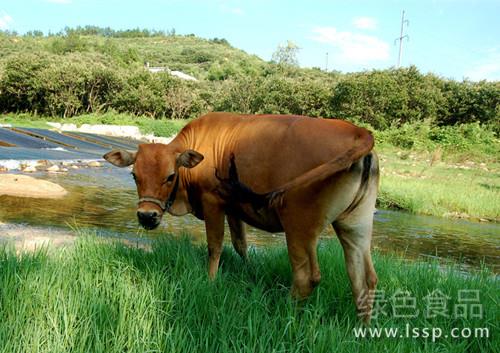
Cattle
Its main symptoms: At the beginning of the disease, the cattle are listless, but their appetite does not decrease, and difficulty opening the mouth can be seen; saliva drips from the corners of the mouth, chewing and swallowing are difficult, the jaw is tightly clenched, and they may even be unable to chew; sometimes the lower jaw droops and the tongue protrudes from the mouth; the pupils are dilated; hearing sounds, exposure to light, or being touched will aggravate the spasms; symptoms such as constipation, bloating, and reduced urination are common; walking, turning, and backing up are difficult; the limbs are stiff and there is opisthotonus, presenting a sawhorse-like posture; in severe cases, rumination and eructation stop.
Its prevention and treatment measures:
1. Strengthen nursing care: move the sick cattle to a pen that is dimly lit, well ventilated, dry, and clean, keep the environment quiet, avoid noise stimulation, and feed easily digestible feed.
2. When treating the wound, aseptic technique should be used, the wound should be enlarged, and pus, foreign matter, and necrotic tissue should be removed, then washed and disinfected with 3% hydrogen peroxide, 2% potassium permanganate, etc. At the same time, sprinkle drugs such as penicillin and anti-inflammatory powder onto the wound.
3. For drug treatment, according to the different stages of disease progression, methods such as neutralizing toxins, sedation and relieving spasms, and symptomatic medication can be adopted.
①. 200,000-300,000 units of tetanus antitoxin, 100-200 ml of 2% urotropine, 50-100 ml of 25% magnesium sulfate, and 2000 ml of 5% glucose, injected intravenously at one time, then once every 3-5 days.
②. If opening the mouth is difficult, 10 ml of 3% procaine or a mixture of 1-2 ml of 0.1% adrenaline can be injected into the cattle's masseter muscle. When the mouth cannot be opened, sugar and fluids should be supplemented twice a day.