Key points for safe winter management of female geese: cold protection and warmth, adequate nutrition, more exercise
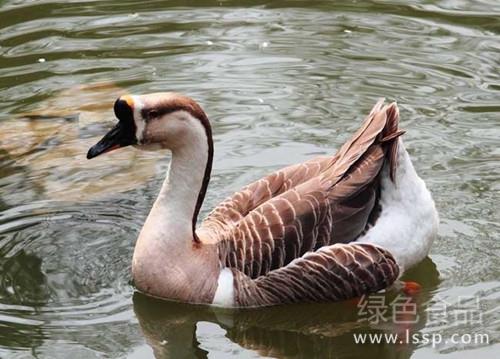
Female geese
I. Increase activity:
In winter, female geese move less. To prevent the geese from becoming too fat and affecting egg laying, their activity should be increased. On clear days, drive the female geese to a suitable exercise area so they can get more sunlight and move around more.
II. Provide adequate nutrition:
In winter, female geese consume more energy, so the nutrient concentration of the feed needs to be increased to balance this and strengthen the geese's cold resistance. Generally, more energy feed such as rice grain and corn should be added, along with high-quality coarse feed and green feed. Feed each goose 150-300 grams of mixed concentrate per day, divided into 3 feedings, one of which should be in the evening.
III. Cold protection and warmth:
Although adult female geese have somewhat improved cold resistance, excessively low temperatures are unfavorable for their production, so cold protection and warmth measures should be well implemented. For example, appropriately increase stocking density and thicken bedding. If conditions permit, build a plastic greenhouse to use solar energy to raise the room temperature, keeping the goose house temperature above 5°C.
IV. Give female geese warm water to drink:
In winter, female geese consume a lot of heat energy, so they should not drink ice water or snow water. Whether day or night, female geese should be given warm water.
V. Reasonable grazing:
In winter, the number of times female geese enter water should be reduced, and grazing time should be shortened. Grazing should be carried out on clear days in the morning and afternoon when sunlight is ample. Generally, female geese should be driven into the water at about 10 a.m. and 2 p.m., for 10-15 minutes each time. On rainy and snowy days, do not let the female geese enter the water.