Simple treatment for swine rhinitis, relieving nasal congestion, sneezing, breathing difficulty and restlessness
Swine rhinitis mainly presents as nasal congestion, sneezing, difficulty inhaling, and snoring sounds. While eating, the pig may be seen taking a few bites, then raising its head to breathe deeply through the mouth or making movements to get air. After eating its fill or after vigorous exercise, the symptoms of nasal congestion and breathing difficulty become more obvious. Rhinitis is a common respiratory disease in piglets aged 2—5 months.
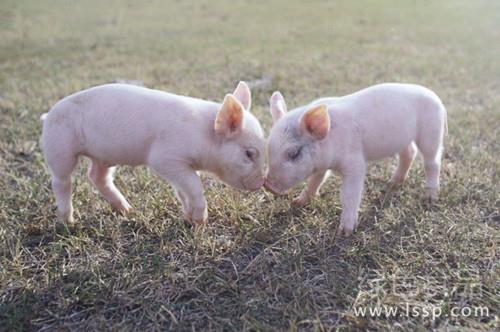
Pig
I. Clinical symptoms:
In the early stage of the disease, the affected pig may show sneezing, difficulty inhaling, and a clear nasal discharge, which after 2-4 days turns thick or white and foamy, and after more than 10 days may turn purulent. Some pigs still have a white foamy nasal discharge more than 30 days after becoming ill. The sick pig appears restless, shakes its head, and keeps rubbing the tip of its nose on the ground, walls, the edge of the trough, and other places. With the nasal congestion, a loud "xi xi" sound can be heard due to difficulty inhaling. Body temperature keeps rising, appetite is normal or reduced, and the pig is still fairly alert.
II. Treatment:
1. Draw 4-5ml of kanamycin sulfate into a syringe, remove the needle, and spray it directly into both nostrils of the affected pig, once a day; generally 2 treatments can cure it.
2. Dissolve 1 vial of 1 million units of streptomycin sulfate with 5ml of water for injection, then spray it into the nostrils of the affected pig; to consolidate the treatment, do it twice.
3. Nose and eye drops: instill into the pig's nostrils, using only one vial per day, and it may be used several times depending on the condition.
III. Prevention:
A simple way to prevent swine rhinitis: when purchasing piglets, immediately spray 2—4ml of kanamycin sulfate into both nostrils of the piglets.