Low water temperatures mean fish eat less and are prone to dying: key points for feeding fish in the early overwintering period
The early overwintering period for fish refers to the period from late October to early December (from Frost's Descent to Major Snow in the lunar calendar). During this period, water temperatures are low and fish stop feeding. Because no feed is given and rearing is relaxed, fish have no food source and can only consume nutrients stored in their bodies to maintain basal metabolism and life activities. They lose weight rapidly, and the overwintering mortality rate is high. Therefore, strengthening feeding management in the early overwintering period for fish can not only reduce the mortality rate, but also improve the fish's physique and disease resistance and increase farming returns. In the feeding management of fish in the early overwintering period, the key is to focus on two aspects:
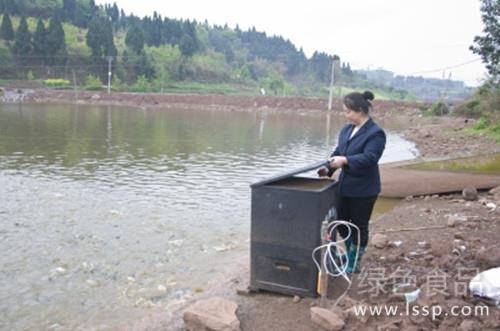
Fish rearing
I. Strengthen feeding before overwintering to enhance the fish's ability to withstand cold:
At this time, the water temperature is mostly above 15°C, and the fish have not stopped feeding. According to experiments, silver carp and bighead carp have strong adaptability to low temperatures; when the winter water temperature drops to 0.5°C, they still feed and gain weight. The feeding and weight-gain water temperature for grass carp, common carp, crucian carp, bream and other fish is about 5°C, that is, as long as the water surface does not freeze over, they still maintain a feeding and growing state. In the early overwintering period, persisting in feeding feed not only keeps major physiological indicators such as fish body plumpness, tissues and organs, and blood at normal levels, but also achieves an average growth rate of 12—14%. The survival rate and profit per unit area in the following year's farming were 24% and 27% higher, respectively, than those of the control group. Farmers can make full use of this period, when the water temperature is suitable and fish have a strong physiological characteristic of feeding to accumulate nutrients in preparation for overwintering, to persist in feeding feed, maintain fish weight gain, and store enough nutrients for overwintering, thereby improving farming returns. Because the water temperature is relatively low, it is not suitable to feed cottonseed cake or pelleted feed. It is better to feed powdered oilseed cakes or compound feed with a protein content above 25% and a fat content of about 5%. The daily feeding amount is 0.5—1.0% of the fish body weight, or feed once every 3—5 days. Persist in feeding until the water temperature drops to about 6°C and the fish basically stop feeding.
II. Strengthen water quality management to create a stable living environment for fish:
At this time, the water temperature is low and water quality is relatively stable. However, phytoplankton photosynthesis weakens, dissolved oxygen is not high, and many harmful substances accumulate because they cannot be oxidized in time; in addition, there is little rainfall, and the water level drops rapidly, affecting fish growth. Therefore, water quality management must be strengthened, with the key tasks as follows:
1. Frequently add fresh water to maintain a stable water level. If the water level is too shallow, the water temperature is greatly affected by air temperature and changes frequently, easily causing fish to develop cold-like symptoms. It also reduces the water body, increasing fish density and raising the concentration of metabolic waste and harmful gases, which is very harmful to fish and can easily cause fish fry death. When the water level drops by 10—15 cm, fresh water must be added to keep the water level stable.
2. Increase the calcium and phosphorus concentrations in the water body to maintain good water quality. Traditional farming methods hold that in winter fish ponds do not need lime (to supplement calcium) or phosphate fertilizer (to increase phosphate concentration). In fact, this is not the case. In winter, phytoplankton photosynthesis weakens, carbon dioxide in the pond increases, and the pond water becomes weakly acidic, harming the physiological activities of fish and reducing their resistance to adverse environments and cold. Splashing lime solution not only increases calcium and promotes phytoplankton oxygen production, but also regulates and stabilizes the pH of the water body, helping to enhance the fish's cold resistance and stress response. At the same time, an appropriate amount of phosphate fertilizer should also be applied. This is because calcium needs phosphorus to work together when functioning in water. The application amount of phosphate fertilizer should be such as to keep the phosphate content in the water body at 0.2—0.3 mg/L.