What should you do when poor winter feeding management leads to low milk production in dairy cows?
Although dairy cows tolerate cold but not heat, abnormally cold and dry winter weather, combined with poor feeding management and a shortage of green feed, can easily cause milk production to decline and even affect the normal growth and development of dairy cows. Summarizing years of experience, the following points should be done well when raising dairy cows in winter:
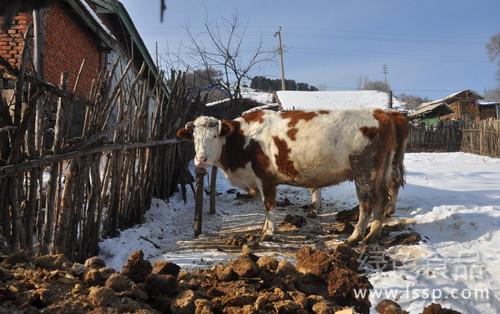
Dairy cow
I. Keep the cowshed warm and cold-proof, and adjust the humidity in the cowshed appropriately:
In winter, the temperature in the cowshed is generally 8—17°C; too high a temperature is also bad for dairy cows. When the nighttime temperature drops below 0°C, dairy cows should be driven into the shed to spend the night, to prevent frostbite of the teats or excessive consumption of physical energy. When cold air invades and the temperature drops suddenly, the rear windows and ventilation holes should be blocked in time, and insulation of the pen should be done well. In particular, for the pens of periparturient cows, newborn calves, and high-yielding cows, heating should be appropriately increased to ensure the cowshed temperature is 15—17°C. In addition, the time dairy cows spend active in the exercise yard during the day should not exceed 6 hours; it is best to exercise 3 hours in the morning and 3 hours in the afternoon.
After dairy cows enter the pen, pay attention to ventilation in the cowshed; humidity must not be too high and should not exceed 55%. Too high humidity strongly stimulates dairy cows, affects milk production, and in severe cases can lead to infection with certain fungal diseases. At the same time, manure and urine should be removed promptly to keep the pen clean and dry.
II. Feed should be diversified, and the amount fed should be arranged skillfully:
After entering winter, dairy cows are easily affected by changes in outside temperature, so feed should be adjusted in time and strive for diversity. In terms of concentrate feed, protein feed remains unchanged, and the amount of corn supplied is increased by 20—50%, thereby increasing the proportion of energy feed; in terms of roughage, it is best to feed silage, micro-storage feed, or brewer's grains, etc., to replace the green, juicy feed of summer and autumn.
In cold weather, the days are short and the nights are long. Not only should they be fed well during the day, but they should also be given an extra feeding at night, with 13—15 kg of grass fed per day. Forage should be diversified, such as wheat straw and rice straw paired with green hay, peanut vines, alfalfa, etc., so that the nutrition is comprehensive.
III. Provide warm water for drinking:
In winter, tap water and well water easily freeze; after dairy cows drink them, they often suffer indigestion and develop digestive tract diseases. Therefore, when giving dairy cows water, it is best to heat the water to 15—25°C. If a little salt and soybean residue are added to the water, it not only enhances the cows' desire to drink, but also has the effect of reducing internal heat and reducing inflammation.
IV. Mix concentrate feed skillfully, and supplement trace elements and urea in appropriate amounts:
When feeding concentrate, hard and soft feeds should be combined, such as hard feeds like corn and soybeans, and soft feeds like bran and powder feed; they should be mixed when fed. At the beginning, feed grass first; when they are more than half full, add a little concentrate; when they are about to be full, add more concentrate, and add feed with a fragrant smell. In winter, the composition of dairy cow forage is single, so an appropriate amount of calcium and phosphorus can be added to their feed; generally 5—15 grams can be fed per day. Urea can supplement protein and can be fed in appropriate amounts. Generally, calves over 6 months old are fed 30—50 grams per day, young cattle 70—90 grams per day, and adult cows about 150 grams per day. However, urea has poor palatability, so it can be mixed with concentrate at 1% and then mixed with grass for feeding; within half an hour after feeding, do not provide water.
Dairy cow
V. Carefully carry out breeding:
Dairy cows usually follow the pattern of "breed in summer, calve in spring; breed in winter, calve in autumn." Breeding and conception in winter can avoid calving in summer and help dairy cows achieve high yield. Therefore, winter should be seized to do breeding work well, improve the conception rate, and lay the foundation for the birth and health of newborn calves.
VI. Keep the dairy cow's body surface clean and do disease prevention well:
Take the dairy cows out to bask in the sun every day. Pay attention to brushing the cow's body; this not only keeps the body surface clean, but also promotes skin blood circulation and metabolism, prevents sores and ringworm, and helps regulate body temperature and enhance disease resistance. Therefore, brush twice a day, morning and evening, for 3—6 minutes each time, and all parts must be brushed thoroughly without omission. In addition, manure in the cowshed should be cleaned frequently, and dry chopped grass and soil should be added frequently as bedding to prevent hoof disease in cattle. The cowshed and exercise yard should be disinfected regularly, and vaccine injections should be carried out. Diseases should be treated early to ensure the health of dairy cows and ensure high milk production.