What to do about oxygen deficiency in winter broiler chickens? Improve ventilation, reduce density, and prevent stress
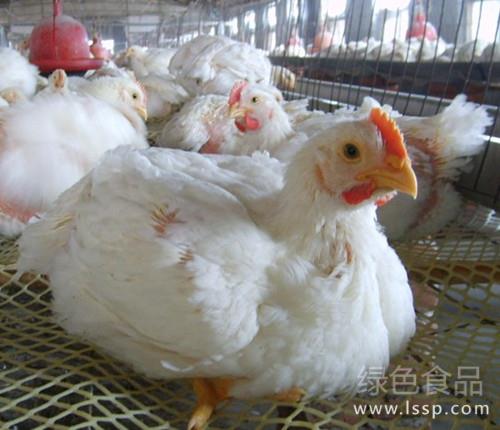
Broiler chickens
1. Improve ventilation inside the coop.When the air in the chicken coop is fresh, the chickens grow well and develop well. Because broiler chickens have a high body temperature and breathe more than 2 times as much air as mammals, they need more oxygen. Solution: improve ventilation in the chicken coop; with plenty of fresh air, the chickens will be lively and strong and get sick less often. Ventilation is equivalent to adding oxygen; generally ventilate once every 2 to 3 hours, for 20—30 minutes each time. Before ventilating, raise the coop temperature. When ventilating, the wind should not blow directly onto the chickens, to prevent them from catching cold and getting sick.
2. Reduce stocking density.Broiler chickens are generally raised in large flocks, with large flocks and large numbers. High-density rearing will lead to insufficient oxygen and increased carbon dioxide. Especially during high-temperature brooding and when there are many chickens and high humidity, long-term lack of fresh air will cause the chicks to become weak and sickly and increase the death rate. It also increases the chance of airborne infectious diseases; especially when the ammonia content is high, it often induces respiratory diseases. Therefore, stocking density should be reduced; about 9 chickens weighing about 1.5 kg each can be raised per sq m. If raised on wire netting, the density can be doubled.
3. Pay attention to insulation methods.Some chicken farms only emphasize keeping warm and neglect ventilation, keeping doors and windows tightly closed and not ventilating at regular times, causing severe oxygen deficiency in the coop and carbon dioxide poisoning in broiler chickens. Especially when using a coal stove for heating, the stove sometimes leaks smoke or back-drafts, making gas poisoning more likely. Even normal heating competes with the chickens for oxygen and can easily cause carbon monoxide poisoning (also called gas poisoning), so special attention is needed. It is best to build the stove in the doorway outside the coop, which can effectively avoid poisoning by harmful gases.
4. Prevent stress.Chickens are sensitive and timid and afraid of being startled. The sudden appearance of any new sound, color, unfamiliar action, or object will cause the chickens to become restless and cry out, leading to harmful stress such as flock panic, stampeding, and running away. This consumes a large amount of the chickens' physical energy and increases their oxygen consumption, and is even more harmful to the growth, development, and weight gain of broiler chickens. Therefore, it is necessary to maintain a normal and orderly routine for broiler chickens and keep the chickens quiet and stable, so as to reduce the losses caused by various stresses.