In winter, prolonged low temperatures make dairy cows prone to frostbite. How can it be prevented and treated?
Dairy cows kept in low-temperature environments for long periods are prone to frostbite. In very cold weather, tethering dairy cows outside the pen or raising them in open pens, or even keeping them in sheds, if the environment is damp and cold and they are not fed enough, can also cause frostbite to their limbs, especially the exposed extremities such as ears, nose and tail, which are even more susceptible to frostbite.
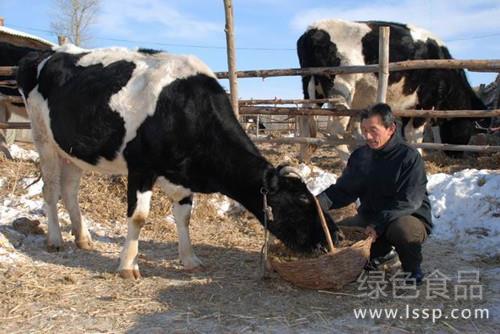
Dairy cows
Harm of frostbite in dairy cows:
Superficial frostbite: after the skin is frozen, blood vessels contract strongly, tissue becomes ischemic, and the skin turns from pale to blue-purple. On rewarming, blood vessels dilate, the skin becomes congested, and the frostbitten area feels burning and itchy, with redness, swelling, heat and pain. In severe cases, the dairy cow develops blisters with transparent fluid and severe pain; after two or three weeks, the blisters dry up and form dry scabs, and when the scabs fall off, new skin covers the wound. Deep frostbite: the skin and subcutaneous tissue die from freezing, extending as deep as the bone, with necrotic ulceration, turning black and dry, and finally the necrotic part separates from the healthy part, and the necrotic part rots and falls off.
Treatment of frostbite:
Treatment of superficial frostbite: after superficial frostbite occurs, do not immediately roast the dairy cow over a fire or soak it in hot water. White liquor or chili pepper can be applied as a liniment several times a day. Or use camphor or boric acid alcohol to massage the skin, or irradiate with ultraviolet light. If it occurs on the limbs, a folk remedy can be used: boil chili pepper, eggplant stalks, dried ginger, etc. with 10 times the amount of water, and when the water temperature drops to 45 degrees, put it into a bucket for soaking, for more than 10 minutes each time, twice a day. If there are blisters, they can be drained with a sterile syringe, and 30% boric acid can be applied as a local wet compress; after drying, apply 10% sulfur ichthammol, once a day. If there is ulceration, apply petrolatum or lard and then bandage with gauze. When the frostbitten area is swollen, apply 1% iodine solution or camphor ointment, iodine glycerin, etc.
Treatment of deep frostbite: take measures as early as possible to reduce tissue necrosis and prevent infection. When frostbite occurs, rewarm the frostbitten area as soon as possible, soak the affected limb of the dairy cow in an iron bucket filled with warm water, heat to 38—42℃ within 5—10 minutes, and slightly elevate the frostbitten part to reduce edema. When the frostbite is large and deep, use antibiotics to prevent infection. When the frostbite is severe, novocaine block can be used to promote early sloughing of necrotic tissue and early healing of the wound. When the frostbite is infected, remove the necrotic tissue and do a good job of disinfection and wound management.
Prevention of frostbite in dairy cows:
In cold seasons, strengthen protection of the cow's body. Whether grazing or exercising, apply petrolatum, lard, etc. to the extremities prone to frostbite such as ears, udder and teats. For lactating and dry cows, it is best to wear cotton udder covers, which are extremely effective. When dairy cows go out, they should all have appropriate activity to keep warm and promote blood circulation, and must not stand still for long periods.
Build warm sheds to protect dairy cows through the winter safely, do not raise cattle loose-housed, reduce heat loss from the cow's body, feed a nutritionally balanced complete-price diet, increase energy by 10% and fat feed by 5%, feed the dairy cows to satiety, and provide warm water to drink, to enhance cold resistance.