Causes and Prevention of Winter Kit Deaths Caused by Harsh Climate and Improper Management
Winters are cold and the climate harsh. Kits born during this period are prone to death if not managed properly, with the highest mortality rate occurring during the nest-bound period. In production, the causes should be identified and corresponding measures taken to ensure that winter-born kits all survive and grow strong.
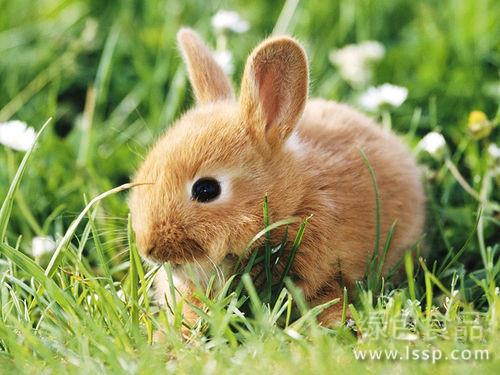
Kits
1. Failure to get colostrum.Within 6—10 hours after the kits are born, the doe's nursing situation should be checked. If the doe's teats are white, it indicates the kits have not nursed; if the teats have red spots, it indicates the kits have nursed. If kits that have not taken colostrum are found, the doe should be made to nurse them promptly. When checking the kits, if they sleep soundly and motionless, with round, distended bellies, rosy skin, and glossy fur, it indicates they have had enough; otherwise, they have not had enough and the doe should be made to nurse them promptly.
2. Suffering from cold injury.If the doe does not pull fur before kindling and no nest has been prepared, the kits may freeze to death. Therefore, one week before the doe kindles, a nest box should be prepared with clean, uncontaminated soft straw placed inside. After the doe gives birth, if she still does not pull fur, manual fur-pulling can be used: pull some fur from the doe's belly and cover the kits with it to prevent them from freezing to death.
3. Nutritional deficiency.The number of kits a doe gives birth to varies. Does with large litters have insufficient milk, so the kits suffer from nutritional deficiency and are prone to dying from exhaustion. Therefore, to improve kit survival rates, foster-nursing arrangements should be made for does with large litters. Based on the doe's milk-producing ability, adjust kits whose birth times differ by no more than 1—2 days. When fostering, first take the kits out of their original nest box, divide them into litters by body shape and constitution, then smear a few drops of the foster mother's milk or urine on the kits, place them in the nest box, and mix them with the foster mother's own kits so they come into contact and blend scents. At the same time, pay attention to the doe's nursing behavior to prevent the doe from biting or killing the foster kits.
4. Dragged-out nursing (kits dragged from the nest).Because the doe has little milk, kits that cannot get enough to eat may cling to the teat for a long time without letting go. When the doe leaves the nest, she may drag the nursing kits out with her; or if the doe is disturbed while nursing and becomes startled, she may suddenly leave the nest, dragging the kits out of the nest, where they freeze or are trampled to death. Therefore, inspections should be strengthened. Kits found fallen out of the nest should be returned promptly, and the cause should be identified. If it is due to insufficient milk, the doe's daily ration should be adjusted, with more concentrate feed and green, juicy feed. At the same time, management should be strengthened and the environment kept quiet. Kits that are frozen stiff after being dragged out of the nest should immediately be placed against a person's chest to warm up, or placed in 40°C warm water with their mouths and noses exposed, for emergency rescue.
5. Suffering from yellow urine disease.Nursing kits that drink the milk of a doe with mastitis are prone to yellow urine disease. The key to preventing this disease is to prevent inflammation of the doe's mammary glands. If a doe is found to have mastitis, she should be isolated and treated immediately, nursing should be stopped, and the kits should simultaneously be transferred to another doe for foster-nursing or hand-fed. In the early stage of the illness in kits, administer gentamicin orally twice a day, 3—5 drops each time, for 2-3 consecutive days.
6. The doe eating her kits.A doe devouring her kits is a syndrome of metabolic disorder and nutritional deficiency. Therefore, pregnant does and nursing does should be supplied with feed rich in vitamins; before kindling, provide ample drinking water. For does that have previously had a habit of eating their kits, it is advisable to separate the mother from the kits immediately after kindling and nurse them on a fixed schedule.