New Treatment Method for Ewes with Postpartum Paralysis, Weak Pain Response, Deep and Slow Breathing, and Coma
Winter is the peak season for ewes to give birth, but postpartum paralysis in ewes has plagued many sheep farmers. Ewe paralysis mainly occurs in the late stages of pregnancy or after lambing, and is mainly caused by a decrease in blood glucose and blood calcium in the ewe.
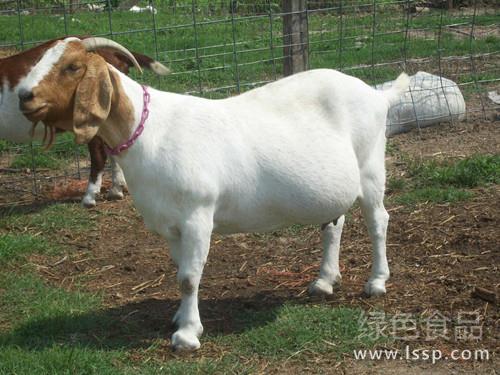
Ewe
I. Symptoms:
In the early stage of the disease, the ewe has poor spirits, does not eat grass, does not ruminate, has weak hind legs, walks unsteadily, cannot stand up after falling, and has no urination or defecation. When the skin is pricked with a needle, the pain response is weak, and body temperature is normal. In severe cases, the head and limbs are extended straight, breathing is deep and slow, the heartbeat is weak, the ears and the base of the horns are cold, the skin has no pain sensation, and the animal is in a comatose state.
II. Prevention:
1. Supplement pregnant ewes with mineral feed. For example, adding 3% bone meal and 5% black soybean powder to the feed can prevent and treat this disease.
2. For high-yielding sheep, calcium tablets such as multivitamin calcium tablets should be added before and after lambing, 10-20 tablets per day, mixed into the concentrate, which also has a preventive effect.
III. Treatment:
1. During treatment, 25-50 ml of 20% calcium gluconate solution can be injected intramuscularly at multiple points, and at the same time 10-20 ml of Astragalus polysaccharide injection can be injected intramuscularly, 1-2 times per day for 3 consecutive days. Alternatively, 50 mg of VB1 plus 8 ml of calciferol colloidal calcium can be injected intramuscularly, once per day for 5-7 consecutive days.
2. Traditional Chinese medicine therapy: Orally administer "Pine Needle and Astragalus Decoction", prescription: 200 g fresh pine needles, 100 g Astragalus, 25 g ginger, decoct together into a soup, add 100 g lactose, wait until warm, administer by drenching or feeding, 1 dose per day, divided into two doses in the morning and evening, for 3 consecutive doses. Or use "Dragon Bone Decoction", prescription: 150 g dragon bone, 35 g each of Angelica sinensis and prepared rehmannia, 10 g safflower, 100 g malt, decoct into a soup, administer orally or mix into feed in two divided doses per day, for 3 consecutive doses, with remarkable efficacy.
3. For ewes with postpartum paralysis, the mammary base acupoint therapy can be used, with quite good efficacy. When the ewe is nursing, use a sterilized syringe to draw 10 ml of milk expressed from the ewe's teat, and inject it into the mammary base acupoints with a short No. 12 needle, 5 ml per acupoint, once per day, for 2-3 consecutive times. Location of the mammary base acupoints: one acupoint on each side, near the umbilicus, at the front outer side of the teat.