How to prevent hypoglycemia in winter piglets? Be on alert for poor spirits, spasms and coma
Hypoglycemia in piglets, also known as nursing piglet disease, is a glucose metabolism disorder in piglets caused by excessively low blood glucose levels in newborn piglets. The disease is characterized by blood glucose in piglets within 7 days of age being 2-3% lower than that of normal pigs of the same age, with neurological symptoms appearing. It occurs frequently in winter and spring, and if treated improperly, the mortality rate is relatively high.
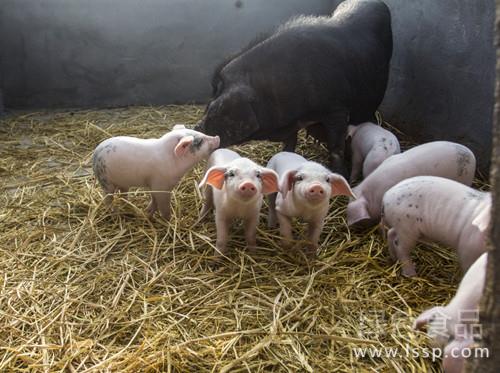
Piglets
1. Causes of the disease. (1) During gestation, sows are improperly fed and managed, and after farrowing the mother's milk is insufficient or even absent, causing piglet starvation, or the colostrum is too thick, with high lactoprotein and milk fat content, causing digestive dysfunction in piglets. (2) Sows become ill after farrowing, such as with fever, mastitis, etc., resulting in insufficient milk production, so that piglets cannot get enough colostrum, or the litter has many piglets and few teats, so some piglets cannot get colostrum. (3) The piglets' own physiological functions are not yet mature, and their capacity for gluconeogenesis is poor, making them susceptible to this disease. (4) The adverse stimulation of low temperatures and harsh cold weather is also a cause of this disease.
2. Clinical symptoms. Piglets within 3 days of age are susceptible. Affected pigs are depressed, have weak limbs, and tend to lie down and sleep. The skin is pale, body temperature is low, and the ear tips, tail root and limbs are cold and cyanotic, and suckling stops. In severe cases, neurological symptoms appear, with muscle tremors, paroxysmal spasms, involuntary paddling of the limbs, and finally slow heartbeat and decreased body temperature, until coma and death. Because this disease has obvious neurological symptoms, it is easily misdiagnosed clinically as pseudorabies, streptococcosis and other diseases, so careful differentiation is required.
3. Treatment methods. (1) Supplement sugar to piglets promptly: 20 milliliters of 10% glucose solution (warmed), injected at separate points into the abdominal cavity or subcutaneously of piglets, once every 6 hours, for 2 to 3 consecutive days. (2) Give piglets oral rehydration salts or administer glucose solution and warm brown sugar water. (3) Inject adrenal cortex hormone drugs that have the effect of raising blood glucose.
4. Summary. This disease responds to treatment to some extent in its early stage, but once neurological symptoms appear, treatment results are mostly unsatisfactory; therefore, the key to preventing and treating hypoglycemia in piglets lies in prevention. The specific measures are as follows: (1) Strengthen the feeding and management of pregnant sows, provide high-quality complete feed, and especially do not let it lack feed rich in sugar. (2) Strengthen postpartum health care and nursing for sows; for affected sows, detect early and treat early. (3) Make every effort to let newborn piglets get colostrum; if the colostrum is too thick, a small amount can first be manually milked out, and then the piglets can be allowed to suckle. If there are few teats and many piglets, artificial rearing can be carried out, adhering to fixed times and fixed amounts, to prevent piglet starvation. (4) In cold seasons, be sure to keep newborn piglets warm and avoid cold stimulation; for piglets within 15 days of age, a shed temperature of 25°C to 30°C is suitable.