Most hens stop laying in winter, how can winter egg production be maintained?
Most hens stop laying in winter. During rearing, care must be more meticulous to ensure that hens can also maintain a high laying rate in winter, which can enable each hen to lay 50--70 more eggs per year.
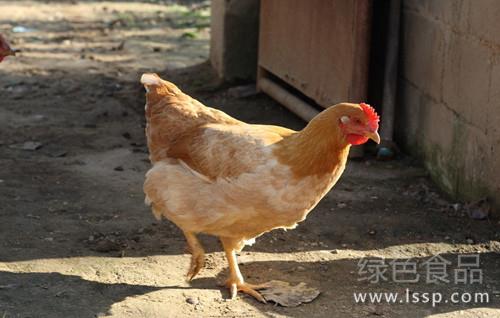
Hens
1. Add cold-proof and lighting equipment: secure windbreaks around the chicken coop, spread litter on the floor inside, seal the doors and windows, put down straw curtains at night, and keep the coop temperature always above 10°C. If there are few hens, it is best to keep them indoors at night.
The optimum temperature for laying is 13—23°C. At low temperatures, feed utilization also decreases; especially when the temperature drops suddenly or stays low for a long time, the laying rate also declines. When the temperature is below 16°C, feed utilization begins to decrease. In winter, the coop temperature should not be lower than 8°C, and when it is below 5°C, artificial heating should be used. In winter, the relative humidity of the chicken coop should be 60—80%.
In a low-temperature and high-humidity environment, hens lose too much control, feed intake increases, and feed consumption rises. In severe cold, it not only reduces production performance but also causes frostbite. In winter, keeping warm and preventing dampness is very difficult but very important, so comprehensive measures should be taken.
2. The chicken coop should have a run: set up resting perches inside the coop. The density of hens should preferably be 5 per sq m. When letting the chickens out in the morning, adjust the temperature difference between inside and outside the coop to prevent colds. Vegetables should be hung inside and outside the coop, and hanging feed should be given to promote exercise, help digestion, increase appetite, and strengthen the body. The lighting time should be increased, maintaining 13--14 hours per day; where sunlight is insufficient, electric light can be added.
3. Method of mixing feed with baijiu: mix feed with 60-degree baijiu to feed chickens, mixing 30--40 grams of baijiu per kilogram of feed; the laying rate can be increased by about 20%, and it can also improve the chickens' disease resistance.
4. Do a good job of winter epidemic prevention: the chicken coop should be dry and clean, replace plant ash frequently, disinfect with Lysol, and often feed garlic and 0.50% potassium permanganate water, etc.
5. Feed should be diversified: concentrate feed should mainly be sorghum, corn, barnyard grass, etc., and green feed should mainly be carrots, cabbage, spinach, etc. Add little and often, and do not interrupt the feed. During the laying period, hens should also be fed some soybean cake, cornmeal mixed with vegetables, cooked pig blood and shell powder, fish and shrimp powder, bone meal, etc., and drinking water should be maintained every day.