Crayfish grow slowly in winter, have poor disease resistance, and are prone to frostbite? Key points for farming
As the weather turns colder, crayfish begin their burrow overwintering life. During this period they grow slowly. Crayfish management should be strengthened to increase the survival rate and economic returns of crayfish during the overwintering season.
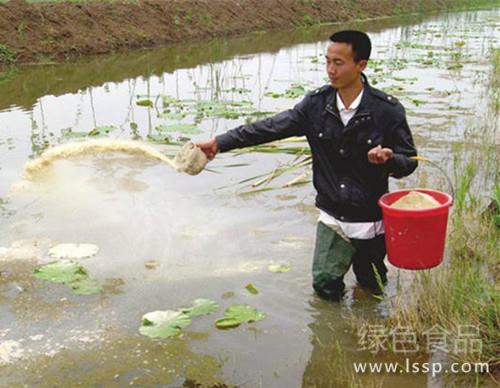
Feeding crayfish
Selection of the overwintering pond:Area 3—5 mu, slope ratio 1:2.5~3. Sheltered from the wind and facing the sun, with abundant, pollution-free water and a water depth of more than 1.5 m. Before stocking crayfish, drain the pond and disinfect it thoroughly with quicklime. 7-10 days before stocking, fill with water and fertilize, applying 100-150 kg of decomposed livestock manure per mu to cultivate plankton.
Transplanting aquatic plants:Transplant aquatic plants such as water hyacinth, alligator weed, and Potamogeton malaianus, with a coverage rate of more than 40% and an even layout. The aquatic plants can absorb excess nutrients from the pond, prevent oxygen deficiency in the pond water through photosynthesis, and at the same time, abundant aquatic plants can breed aquatic insects that supplement animal protein for the crayfish.
Daily management:(1) Timely baiting. Before overwintering, feed more animal feed to strengthen their constitution and increase the winter survival rate. During overwintering, crayfish do not forage, but when the weather is clear and warm, they leave their burrows and forage a little; at such times, small fish and shrimp, snail and mussel meat, animal offal, etc. can be fed in a timely manner to supplement their body nutrients. (2) Adjust water quality well. During overwintering, keep the pond water level above 1.5 m to maintain the pond water temperature. If the water level is too shallow, replenish water in a timely manner to prevent the crayfish from freezing to death; if the water is too fertile, change the water in a timely manner, keeping dissolved oxygen in the water body above 4 kg/liter and transparency above 40 cm, to prevent the crayfish from dying of suffocation due to lack of oxygen. (3) Patrol the pond regularly. Patrol the pond twice a day, and take countermeasures promptly if anything abnormal is found. During the overwintering period, every 10—15 days, splash 20 kg of quicklime per mu to disinfect the water body, supplement calcium, and prevent disease.
Preventing frostbite and disease in crayfish:Crayfish are poikilothermic animals; when the water temperature is below 4 degrees C, they will suffer frostbite or freeze to death. When crayfish are frostbitten, white spots appear on the abdominal muscles, and as the condition worsens, the white spots enlarge and spread to the entire body. In the early stage of the disease, the crayfish lie flat in the grass in shallow water; in severe cases, symptoms such as paralysis and rigidity appear. Do a good job of cold and frost protection, especially in early winter; when the natural water temperature drops to 10 degrees C, the pond water should be filled to the required level. In autumn and winter, feed fatty feeds such as soybean cake and peanut cake to increase the disease resistance of the crayfish. During overwintering, organic fertilizer or rice straw can be fed to raise the water temperature. In the later stage after shrimp fry stocking, rotenone can be used to clear out fish that harm the crayfish, and protective nets should be installed properly.