Prevention and Treatment Methods for Constipation in Newborn Calves with Abdominal Kicking, Weak Intestinal Sounds, and Refusal to Suckle
Constipation in newborn calves, also known as meconium retention or failure to pass meconium. Under normal circumstances, after a calf consumes colostrum, it passes meconium within a few hours, because colostrum is rich in magnesium salts, which can stimulate intestinal peristalsis and has a laxative effect, promoting the spontaneous discharge of meconium. If a calf has not passed meconium for more than one day and shows signs of abdominal pain, this is meconium constipation. If not treated early, it can easily lead to autointoxication and death of the calf.
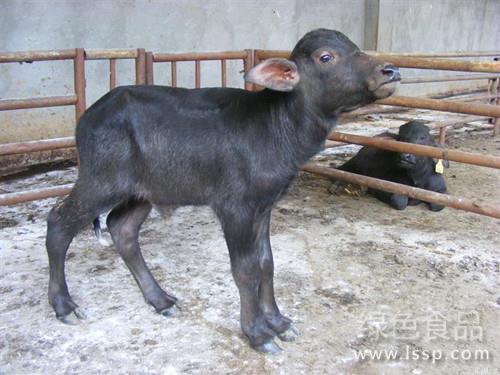
Calf
Causes: Improper management of the cow during pregnancy, nutritional deficiency, especially poor feeding in late pregnancy, inadequate nutrition, and low water intake, resulting in insufficient and poor-quality colostrum after calving, or the calf being unable to consume colostrum for other reasons; newborn calves with congenital underdevelopment, weak constitution, or digestive tract diseases; failure to provide adequate drinking water, or replacing water with milk, etc., can all cause constipation in newborn calves.
Clinical symptoms: The affected calf is restless with abdominal pain, showing arching of the back, raising of the tail, straining, groaning, protrusion of the anus, looking back at the abdomen, or kicking at the belly. Dry, hard feces accumulate in the rectum. The affected calf is listless, has a dry mouth and tongue, red tongue color, weakened intestinal sounds, refuses to suckle, is weak all over, and the body is debilitated. If treatment is delayed, it may die from intoxication.
Preventive measures: Feeding of the cow should be improved in late pregnancy to ensure that the calf can consume sufficient high-quality colostrum after birth. For weak calves, manual assistance should be provided to help them suckle colostrum, which can effectively prevent constipation.
Treatment methods:
Enema to relieve constipation: Use warm soapy water for shallow rectal enema, inserting a rubber tube about 10 cm deep into the rectum to discharge shallow feces; then insert the rubber tube 30-40 cm deep and infuse soapy water. If necessary, repeat the enema once after 2-3 hours.
Lubricating the intestines to relieve constipation: Administer 300 mL of liquid paraffin or vegetable oil by oral drench at one time.
Clearing the intestinal tract: Take 50 g of sodium sulfate, add 500-1000 mL of warm water, plus 50 mL of vegetable oil and 2-3 egg whites, mix well and administer by oral drench at one time.
Manual extraction of the fecal mass: First cut the fingernails short, then use oiled fingers to extract the hard fecal mass, but movements must be slow to avoid damaging the intestinal mucosa, and combining this with 2 enemas gives better results.
Stimulating intestinal peristalsis: Intramuscular injection of 3-6 mL of neostigmine sulfate injection, or oral drench of 200-300 mL of 3% hydrogen peroxide solution.
Empirical formula therapy: Take 75 g of honey and 75 g of Chinese honeylocust fruit (Gleditsia sinensis), simmer over low heat while stirring constantly until brown and slightly smoking, then form into a stick shape 15 cm long and insert it into the rectum of the affected calf.
Symptomatic treatment: If the calf has severe abdominal pain, analgesics can be used to relieve symptoms. For those with severe dehydration, to prevent intoxication and dehydration of the affected calf, intravenously or intraperitoneally inject 300-500 mL of normal saline or glucose-saline and 5-10 mL of 20% caffeine sodium benzoate injection.
Surgical treatment: For intractable deep intestinal constipation in calves that does not respond to the above methods, laparotomy can be performed to crush or remove the fecal mass.