Winter swine respiratory diseases need early prevention; low temperatures, high density and poor ventilation are the triggers
After entering winter, temperatures drop and the temperature difference between day and night is large. In addition, pig houses are closed up to keep warm, resulting in poor air quality, which easily triggers swine respiratory diseases. Due to high stocking density, concentrated pig-farming areas and large-scale pig farms are the hardest-hit areas for swine respiratory diseases and should pay even more attention.
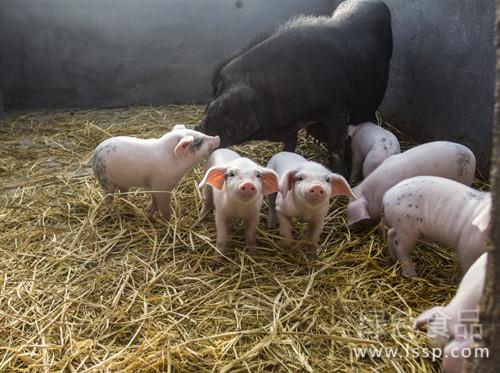
Pig
Symptoms of pigs with respiratory diseases: elevated body temperature, difficulty breathing, coughing or panting, red or purple spots (patches) appearing on the mouth, neck, chest and abdomen, limbs, ears, visible mucous membranes and other parts, and reduced or complete loss of appetite.
Prevention and control measures:
Do a good job of vaccination. Each farmer should, according to the local and on-farm pig disease prevalence situation, formulate a targeted immunization plan, vaccinate in a timely manner, and sample and test immune antibodies at the appropriate time to monitor the immune effect.
Appropriate drug prevention. For pig herds seriously threatened by respiratory diseases, regularly use sensitive drugs such as amoxicillin, doxycycline, tiamulin, lincomycin, and enoxacin for prevention, and strictly control the dosage and course of treatment. Do not abuse drugs. Alternatively, at 3, 7, and 14 days after birth, piglets can be injected with 0.5-1 ml of long-acting oxytetracycline respectively.
Improve the management model. Adhere to self-breeding and self-raising to reduce the number of external introductions and thus reduce external pathogens. Farrowing rooms and nursery pens must follow all-in, all-out operations. After each batch is transferred out, the empty pens should be cleaned, disinfected, and left vacant for several days before the new pig herd is moved in.
Improve air quality. It is necessary both to keep warm and reduce the temperature difference between day and night, and to allow ventilation and air convection in the pig house, keep the air inside fresh, and reduce the concentration of harmful gases such as ammonia.
Do a good job of sanitation and disinfection. Choose highly effective compound disinfectants, and disinfect carefully, thoroughly, and effectively. There must be effective isolation facilities and protective measures between the pig herd and the outside world.
Strengthen feeding management. Minimize the stimulation of the pig herd by stress factors such as moving pens, mixing groups, thirst, hunger, transport, and crowding. Timely cull diseased, weak, and disabled pigs to reduce stocking density. For sick pigs, detect early and treat early.