Lamb obesity causes rapid breathing, restlessness, and sudden death. How can it be prevented and treated?
Fat lamb syndrome in meat sheep, also called lamb obesity, is a metabolic disease of lambs. Lamb obesity mostly occurs in obese lambs from one and a half to two months of age with a strong feed intake.
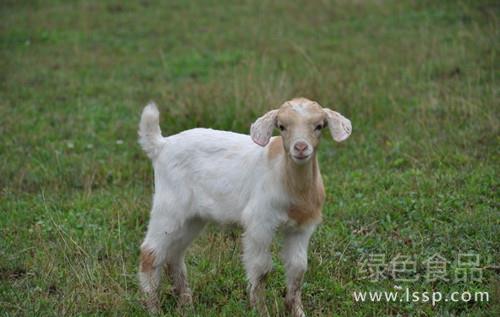
Lamb
Causes:Feeding lambs that have just begun to eat large amounts of corn rich in carbohydrates, with a single feed, affects lamb metabolism, and combined with long-term lack of sufficient exercise, causes the lambs to become overweight. This is especially true for housed lambs, or when lambs are switched from grazing to housing, which disrupts lamb metabolism. The large amount of carbohydrate feed consumed by lambs is rapidly broken down into organic acids and carbon dioxide, causing blood acid concentration to rise and resulting in severe functional disturbance of the central nervous system. Affected lambs show symptoms of poisoning such as excitement and inhibition, and finally die from respiratory and cardiac paralysis due to hypoxia.
Main symptoms:Sudden onset; the affected lamb drools foamy saliva from the corners of the mouth, breathes rapidly, has cyanotic conjunctiva, accelerated heartbeat, and a slightly elevated body temperature. Later there are neurological symptoms, restlessness, sometimes bleating, jumping and rushing forward, and abdominal pain may also occur. The course is acute; the most acute cases die in about 10 to 20 minutes, while slower cases die within one hour.
Treatment:This disease has a rapid onset and fast death, so timely treatment is needed. The treatment methods are:
1. Use 0.1% cardiotonic sodium injection, administered subcutaneously or intramuscularly; according to lamb body weight, inject 2 to 3 milliliters subcutaneously. 2. Intravenously inject 300 to 500 milliliters of 5% glucose saline or 0.9% normal saline. 3. Intravenously inject 20 to 30 milliliters of 5% sodium bicarbonate. 4. Inject 200 to 300 milliliters of 0.9% normal saline or glucose saline subcutaneously at multiple points.
Preventive measures:
1 The concentrate fed to lambs should be diversified, and a single feed must be strictly avoided. In particular, feed rich in carbohydrates such as corn must be strictly controlled in amount. The mixed daily ration for lambs should be given at fixed times and in fixed amounts, fed in multiple portions, and hay and succulent feed should be provided. Provide salt free-choice, supplement trace elements and multiple vitamins, ensure adequate drinking water for lambs, strengthen exercise, and increase sunlight exposure time.
2 Strengthen exercise for lambs during the suckling period. For lambs more than half a month old, carry out outdoor exercise on clear, windless days. It is best at noon, and the exercise time should be gradually extended. Through exercise training, digestion and metabolism can be promoted, lamb constitution can be strengthened, and lamb obesity can be strictly prevented.