What Is Humic Acid? A Comprehensive Guide in One Article
What is humic acid? What does humic acid do? We ask knowledgeable readers to help explain. Humic acid is the product of humification of soil organic matter; peat (grass peat), lignite, weathered coal and others contain large amounts of humic acid. Humic acid fertilizer is made with humic acid substances as the main raw material, with a certain amount of nitrogen, phosphorus, potassium...
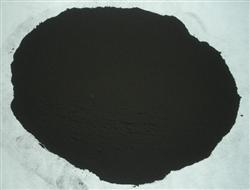 What is humic acid? What does humic acid do? We ask knowledgeable readers to help explain.
Humic acid is the product of humification of soil organic matter; peat (grass peat), lignite, weathered coal and others contain large amounts of humic acid. Humic acid fertilizer is made with humic acid substances as the main raw material, with a certain amount of nitrogen, phosphorus, potassium or certain trace elements added, abbreviated as humic fertilizer. It contains large amounts of organic matter and abundant available nutrients, and belongs to multifunctional organic-inorganic compound fertilizers. Zhongdi Network has compiled the effects of humic acid on crops, listed in detail below for readers' reference.
Effects of humic acid on crops:
Effect one:Humic acid contains a variety of active functional genes that can stimulate crop physiological metabolism and promote growth and development. For example, humic acid can prompt seeds to germinate earlier with a high emergence rate; stimulate seedlings to root quickly and produce more secondary roots, increasing root mass, so that crops' ability to absorb water and nutrients increases.
Effect two:Humic acid can reduce the loss of ammoniacal nitrogen from ammonium bicarbonate and improve the utilization rate of nitrogen fertilizer; it can inhibit urease activity and reduce urea volatilization; it can inhibit the fixation of water-soluble phosphorus by soil and promote phosphorus uptake by roots. Humic acid undergoes chelation reactions with insoluble trace elements, thereby facilitating the absorption of trace elements by roots and leaves.
Effect three:Humic acid can promote the formation of soil aggregate structure, regulate soil pH, improve the soil's water- and fertilizer-retention capacity, and promote soil microbial activity.
Effect four:Humic acid is mostly an amphoteric colloid with high surface activity, has an inhibitory effect on fungi, can enhance crops' cold resistance, change cell membrane permeability, promote the absorption of inorganic nutrients, prevent rot disease and root rot, and reduce pests and diseases.
Effect five:It improves the activity of various enzymes, increases chlorophyll content, and has high mobility, effectively improving the root vitality of plants and preventing premature aging.
Benefits of Mixing Organic Fertilizer with Chemical Fertilizer
What Is Organic Fertilizer