Prevention and treatment of rumen impaction with bloating and abdominal pain in meat sheep
Rumen impaction is a common disease in meat sheep farming. Because a large amount of feed accumulates in the rumen of meat sheep, the volume increases, the rumen wall expands and motor function is impaired, causing rumen dilation, also called rumen blockage, commonly known as overfeeding death disease.
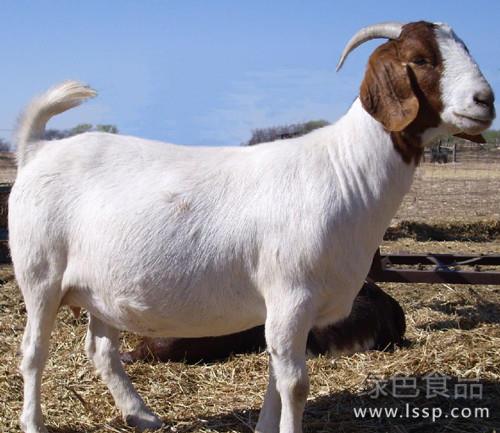
Meat sheep
Causes: 1. Meat sheep greedily eat large amounts of easily swelling feed such as bean stalks, millet straw, wheat straw, etc., with insufficient drinking water, making digestion difficult. Overeating bran, bean dregs, and distillers' grains can also cause it. 2. Long-term housing, insufficient exercise, sudden switching to palatable feed, causing excessive intake, or changing from grazing to housing and eating dry, hard-to-digest feed can also cause the disease. 3. When feeding management and environmental sanitation conditions are poor, meat sheep are stimulated and affected by various adverse factors, develop a stress response, and this can also cause it.
Symptoms: The abdominal circumference increases, the upper part of the rumen is full, and the middle and lower parts swell outward. There are symptoms of abdominal pain, looking back at the abdomen, and the hind legs kick the belly and stamp the ground. The back is arched and the tail is wagged, standing restlessly, onset is rapid, appetite is completely lost, palpation feels hard, and rumen motility in meat sheep is weakened or absent. Rumination is reduced or stops.
Prevention and treatment: 1. Start with feeding management. Avoid feeding large amounts of fibrous, dry, hard, and hard-to-digest feed, and concentrate feed should be restricted. When switching to housing in winter, provide sufficient drinking water and supply warm water as much as possible. After fasting, do not give meat sheep large amounts of drinking water. 2. Do a good job of environmental sanitation, and carry out disinfection work in the pens. Sheep pens should maintain the hygiene of the pens, grounds, and equipment. Clean the pens frequently, and pile feces, urine, and other waste together for fermentation for about 30 days. At the same time, regularly use disinfectants (such as: Yikelin Huichang disinfectant, Baidusha and other highly effective low-toxicity drugs) to disinfect the pens and grounds to prevent the spread of disease. 3. After onset, stop feeding the meat sheep for 1-2 days, give small amounts of water many times, and massage the rumen, 15-20 minutes each time, once every 2-3 hours. For oral administration at one time, use 100-300 grams of sodium sulfate made into a 5% solution or 300-800 milliliters of paraffin oil. For severely affected meat sheep with dehydration, intravenously supplement 5% glucose saline and compound sodium chloride, choosing between 500-1500 milliliters according to the amount of dehydration.