Five major misconceptions about raising pigs for fattening: improper fattening can easily cause fat to become soft and yellow
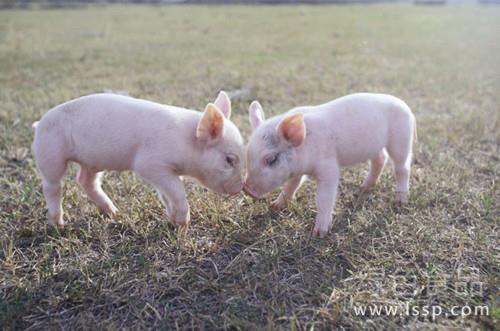
Pigs
Feeding large amounts of soybean cake or peanut cake:
Many pig farmers feed large amounts of soybean cake or peanut cake during the fattening stage, believing that this is the only way for pigs to grow fast and for the meat to be firm, but this is actually wrong. During the fattening stage, the pig's growth focus is on putting on fat, not building muscle, so there is no need for large amounts of protein feed. If large amounts of protein feed are given during the fattening stage, the pig must remove the nitrogen-containing portion of the protein in the gastrointestinal tract before the rest, which contains no nitrogen, can be converted into fat, but removing the nitrogen consumes a lot of energy. In addition, soybean cake or peanut cake is rich in unsaturated fatty acids, and feeding too much of it can make pig fat soft and yellow; it will not make the meat firm, but instead lowers meat quality.
Using cooked feed to feed pigs:
Quite a few pig farmers still use cooked feed to feed pigs today, believing that pigs grow fat easily on cooked food, but this is not the case. After feed is cooked, almost all vitamins are destroyed, and the protein in the feed ages and denatures. According to statistics, during the cooking process about 20% of the nutritional components of the feed are lost, and the nutritional loss of green feed is even greater. For example, when it is simmered and left in the pot for a long time, nitrite poisoning can occur in pigs at feeding time and cause death.
Filling big bellies with thin slop:
Some pig farmers feed pigs with water-mixed feed, with a feed-to-water ratio of 1:8 to 10, or even thinner, and also provide drinking water to the pigs. This feeding method is very unfavorable for pig fattening. The harms of feeding pigs with water-mixed feed are: it increases the energy needed for water metabolism in the pig's body and increases the burden on the kidneys; it dilutes the concentration of digestive juices, which is not conducive to the secretion of digestive juices; and it speeds up the passage of feed through the digestive tract, thereby reducing feed digestibility. To increase feed intake and let pigs eat more and grow faster, it is generally recommended to feed thick porridge-like feed, with a feed-to-water ratio of 1:2, or to feed moist mixed feed, with a feed-to-water ratio of 1:1. In addition, sufficient drinking water should be provided.
Feeding pigs with swill is the most economical:
At present, a small number of pig farmers still feed pigs with swill, cooperating with restaurants. After the swill is transported home, it is put into a tank for storage for later use. In fact, swill contains many kinds of pathogenic microorganisms, which affect pig growth, and some are even fatal. In addition, when swill is stored, large numbers of pathogenic microorganisms multiply and can be spread by flies and other means, which can bring losses. Feeding swill must be completely stopped.
Adding antibiotics to feed at will:
Some farmers, in order to control disease occurrence and promote pig growth, add antibiotics indiscriminately without clearly understanding the mechanism of action of antibiotics, posing a threat to pork safety and human health. Pig farmers should establish the concept of safe pig raising and add antibiotics in a targeted way.