Feeding and Care Points to Note When Raising Winter-Born Lambs
For lambs born in winter, because of the cold weather and dry climate, special attention must be paid to several points in feeding and care:
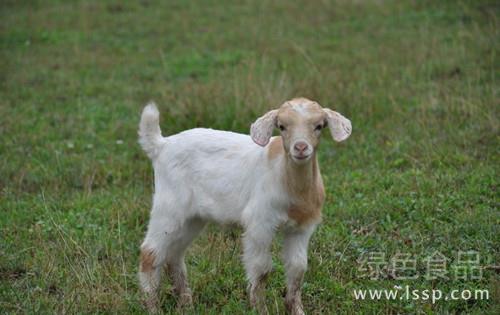
Lambs
1. Cold protection and warmth: keep the lambing room temperature at 8-10°C and the lamb shed temperature above 8°C, and carefully carry out cold protection and warmth work for the lambs.
2. After the lamb is born, wipe away the mucus from its mouth and nose, and let the ewe lick the lamb all over until clean. If the ewe does not lick it, sprinkle a little wheat bran or cornmeal on the lamb to entice her to lick it dry, thereby strengthening the bond between mother and young, obtaining oxytocin, and helping the placenta pass smoothly.
3. The milk produced by the ewe in the 3 days after giving birth is called colostrum. It contains large amounts of antibodies, which can strengthen the lamb's resistance, and contains vitamin A, large amounts of protein, etc. It is rich in nutrients, thus giving the lamb its initial nutrition and basic immune antibodies, reducing the incidence of disease, and playing an important role in lamb growth and the prevention of diarrhea. Therefore, in the first few days after birth, the lamb should be allowed to suckle enough colostrum.
4. Strengthen the feeding of the ewe, feeding more green and succulent feed and high-quality forage, such as lettuce leaves, ryegrass, carrots, sweet potato, etc. The concentrate should be increased compared with the late gestation period, and concentrate feed such as corn, bran, and rice bran should be supplemented in a timely, scientific, and reasonable manner, and sufficient drinking water should be ensured, so that the ewe has enough milk to feed the lamb.
5. If the ewe has little milk or dies, the lamb can be foster-nursed to a wet nurse. The wet nurse should be a ewe that has lost her lamb or has a large milk yield and strong maternal instinct. Ewes rely on smell to recognize their lambs, so when fostering, at night the wet nurse's milk should be smeared on the foster lamb, or the lamb's urine should be smeared on the wet nurse's nose, so that the smells are confused and cannot be distinguished, and then the lamb is placed in the wet nurse's pen. After 2-3 days in this way, the fostering can succeed.
6. After 15 days of birth, supplemental feeding should be carried out for the lambs, feeding some cornmeal, barley meal, wheat bran, soybean meal, etc., and the lambs should also be trained to eat green hay to promote the development of the lamb's rumen. Feeding amounts: at 15-20 days of age, 50-70 grams per lamb per day; at 21-30 days of age, 100-150 grams per lamb per day; at 31-60 days of age, 200-250 grams per lamb per day. After one month, let the lambs eat starter feed, which is a wet feed that is easy to digest, soft, and fragrant.
7. Lambs are lively by nature. From 7-10 days after birth, the lambs can be let outside the shed to bask in the sun, initially for 30-60 minutes, then gradually extending the time. After 20 days, they can go out to graze with the ewe. If the ewe is kept in housing, a exercise yard should be set up to let the lambs move and jump, so as to promote the development of the lambs' bones.