Treatment Methods for Pig Coughing and Panting Caused by Poor Ventilation and Crowding in Autumn and Winter
Sick pigs and subclinically infected pigs are the main sources of infection for mycoplasmal pneumonia of swine (MPS). The pathogen persists long-term in the respiratory tract and secretions of sick pigs and is expelled through coughing and panting, infecting healthy pigs. When pig houses are damp, poorly ventilated, and the herd is crowded, the disease is most likely to occur. It is more common in winter and spring. When the climate changes abruptly, or conditions are damp and cold, and feeding management and hygiene are poor, the condition can worsen.
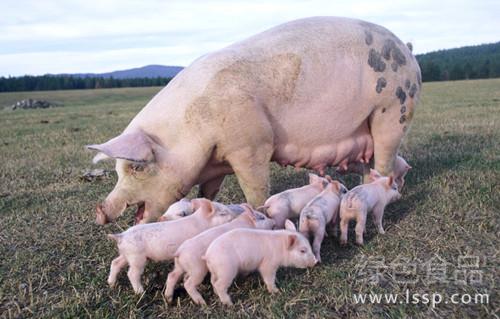
Pigs
The incubation period is as short as 1—3 days, or as long as several months. Main symptoms: coughing and panting. In the early stage, the body temperature, appetite, and spirit of sick pigs show no major changes; in the later stage, as the disease progresses, the symptoms become obvious.
In the early stage of the disease, especially in piglets, coughing is the main sign. It initially occurs mostly during morning and evening feeding or exercise, or when the weather changes abruptly, and is more likely to appear when stimulated by cold air, when driven, or when fed. It is mostly a single dry cough, with a small amount of or purulent nasal discharge. As the disease worsens, the cough becomes more severe and more frequent, turning into continuous multiple wet coughs. When coughing, the sick pig stands still, arches its back and stretches its neck, lowers its head close to the ground, until the respiratory secretions are coughed up or swallowed.
In the middle stage of the disease, the sick pig pants, with rhythmic flaring of the abdominal wall. The respiratory rate is 40—70 breaths per minute, later reaching 100, and even more in piglets.
In the late stage of the disease, the pig's panting worsens, breathing becomes rapid and more frequent. The sick pig assumes a sitting dog posture, breathes with its mouth open, and appears in great pain. The cough is long and deep but weak, as if secretions are blocking the respiratory tract and are difficult to cough up. There is thick nasal discharge, white foam at the mouth, listlessness, and reduced appetite.
Drug treatment: Hulefen can effectively prevent and treat mycoplasmal pneumonia of swine. Directions for use: for weaned piglets, mix 40ppm-50ppm into feed and use continuously for 2~4 weeks; for growing-finishing pigs, mix 20ppm-50ppm into feed and use continuously for 2~4 weeks; for breeding sows, mix 20ppm-50ppm into feed and use continuously during the 3 days before and 4 days after farrowing and within 1 week after weaning; after the symptoms disappear, continue medication for 2-5 days to consolidate the effect.