Improper feed hinders beef cattle fattening: key points on green and coarse feed for fattening beef cattle
Control feed acidity. After silage, yellow silage and other fermented feeds are made, the pH value is about 5.0, and acetic acid and lactic acid are also produced during fermentation, which makes silage too acidic. Highly acidic silage not only reduces palatability, but also corrodes and irritates the teeth and gastrointestinal tract of beef cattle, making it unfavorable for consumption. Adding an appropriate amount of urea can solve the problem of excessively high acidity in silage and can increase the protein content in silage. Distiller's grains, fruit pomace fermentation products and the like are also highly acidic. If these feeds are used to fatten beef cattle for a long time, they will affect the physique of the beef cattle, and the cattle will show symptoms such as dull hair and tight skin. The fattening effect is unsatisfactory, and it also has a great impact on beef quality. In this case, a certain amount of baking soda can be added to the concentrate feed.
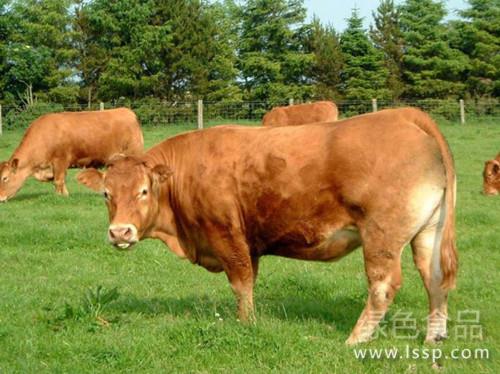
Beef cattle
When beef cattle enter autumn and winter and are switched from grazing to barn feeding, coarse feed must be stored at this time. Coarse feed is produced by combining pasture, rice straw and stalks, corn, and technologies such as silage, yellow silage, micro-storage and ammoniation. At present, whole-plant corn silage has low nutrient loss (not exceeding 15%), a long storage time, and can maintain the succulence of the feed. After fermentation by lactic acid bacteria, palatability is improved, making it a good green and coarse feed for fattening beef cattle. Corn stalks preserved by silage alone are called yellow silage. Micro-storage refers to adding a highly efficient active fermentation agent during the silage process for anaerobic fermentation. At present, the most widely used are cellulose-decomposing bacteria. Micro-storage can make the silage effect better, but this technology is not yet mature. Ammoniation is mainly aimed at crop stalks such as rice straw and wheat straw that have low moisture content and high lignin. A certain amount of ammonia water is sprayed for alkaline treatment. Well-ammoniated stalks are yellow-brown, shiny, have a paste-like aroma, and are soft in texture, which increases palatability. However, ammoniated feed must undergo ammonia release treatment, otherwise it can easily cause beef cattle poisoning. While increasing the feed intake of beef cattle, these treatment technologies also increase the supplementary non-protein nitrogen source of coarse feed.
While storing coarse feed, concentrate feed must also be stored, including energy feed and protein feed. Energy feed is mainly corn. For protein feed, relatively low-priced rapeseed cake and cottonseed meal can be used to replace soybean meal. In addition, feed additives such as lick blocks must also be stored to supplement insufficient feed nutrition, prevent feed quality deterioration, improve feed palatability and utilization, enhance disease resistance of beef cattle, and promote accelerated growth.
During the fattening process, pay attention to ventilation in the cattle barn. 0 to 4°C does not affect the growth rate of beef cattle, but many cattle farms currently place too much emphasis on keeping the cattle barn warm, causing high humidity in the barn. When humidity exceeds 70%, the growth rate of beef cattle declines, so ventilation facilities must be considered when building a cattle barn. In addition, beef cattle must be ensured sufficient light. Light can be achieved through the construction of the cattle barn, and the cattle can also be led out of the barn on clear days for natural light. In addition, in autumn and winter, beef cattle enter full feeding, stocking density increases, and the disease transmission rate increases. Ventilation can reduce the incidence of disease in beef cattle to a certain extent.
Replenish the cattle herd in a timely manner. Entering autumn and winter, some large grazing areas have ended the grazing period. Limited by forage and feed, calves born that year need to be handled. At this time, whether in terms of price or quality, fattening farms are relatively suitable for purchasing young cattle. In addition, for fattening farms that purchase beef cattle from long distances, attention must be paid to bovine transport stress syndrome, namely “shipping fever”. Measures are needed: select experienced people to choose cattle, do not rush to load them onto the truck, and observe and condition them for several days; avoid double-deck vehicles and vehicles that do not shelter from wind and rain; during transit, consider drinking water, supplementary feeding, sedation, and strengthening the body (such as Cotezhuang) for the beef cattle, and avoid lying down; after arrival, provide drinking water, supplement salt, protect against cold, reduce temperature, gradually change feed, strengthen nutrition, and carry out disinfection and isolation; select good drugs, use reasonable formulas, control sick cattle promptly and in sufficient amounts, and eliminate seriously ill cattle as early as possible.